Over 4.3 lakh vehicles scrapped across 21 States and UTs as government rolls out ₹2,000 crore incentive package and expands cashless treatment for road accident victims.
TFP Bureau, New Delhi, February 4, 2026:
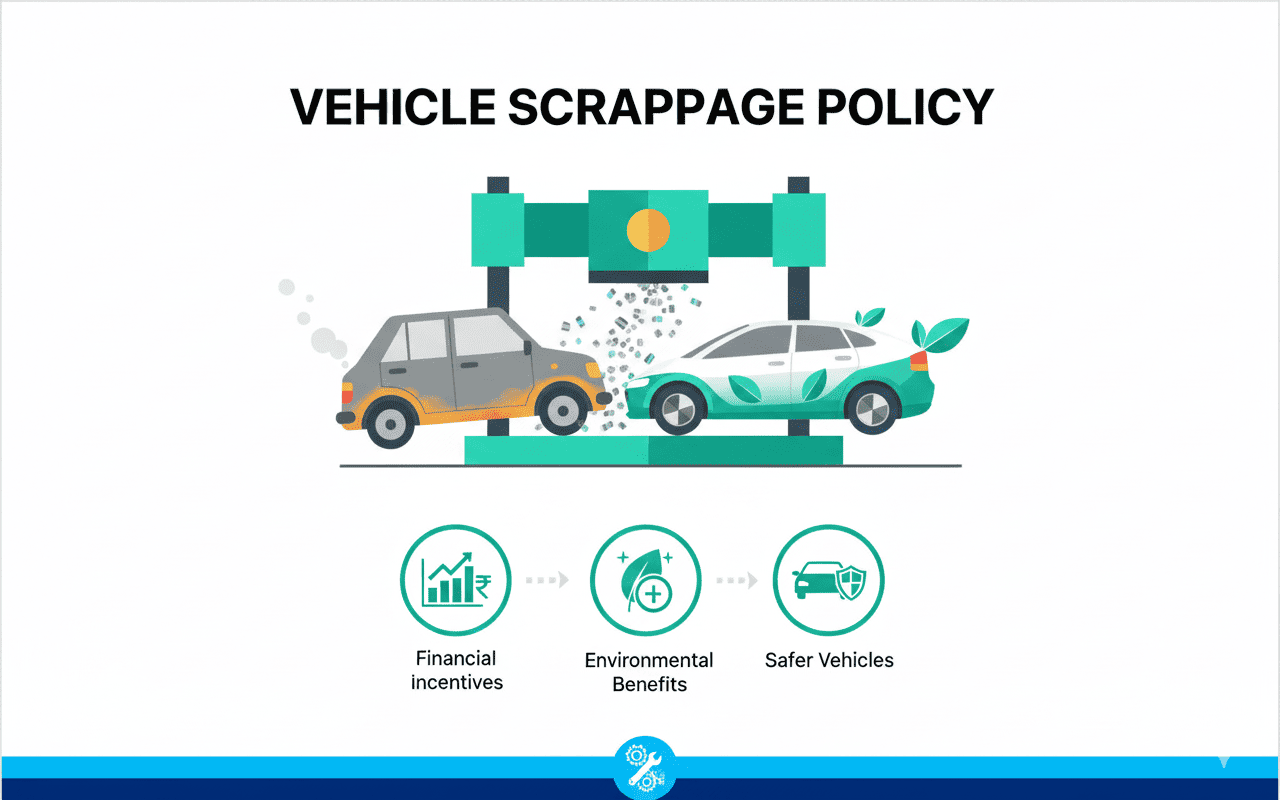
The Centre’s vehicle scrappage policy has gained significant momentum across the country, with 129 Registered Vehicle Scrapping Facilities currently operational in 21 States and Union Territories. As of January 30, 2026, a total of 4,30,306 old and unfit vehicles have been scrapped under the policy, marking a major step towards cleaner mobility, improved road safety and reduced vehicular pollution.
To further accelerate the scrappage ecosystem, the Ministry of Finance, Department of Expenditure, has extended incentives for scrapping of old vehicles under the Special Assistance to States for Capital Investment scheme for 2025–26. As per the guidelines issued on May 22, 2025, an incentive outlay of ₹2,000 crore has been earmarked for the current financial year on a first-come, first-served basis.
Under the scheme, States and Union Territories are eligible for lump-sum incentives ranging from ₹10 crore to ₹200 crore, depending on their category. These incentives are linked to the notification and implementation of additional motor vehicle tax concessions in line with the central notification issued in March 2025.
Special incentives have also been provided for the scrapping of government-owned vehicles older than 15 years. States can avail graded per-vehicle incentives ranging from ₹50,000 to ₹1.5 lakh, based on the number of government vehicles scrapped during the financial year. For non-government vehicles, States are eligible for incentives ranging from ₹5,000 to ₹20,000 per vehicle, depending on the volume of vehicles scrapped at registered facilities within their jurisdiction.
In a bid to strengthen vehicle fitness and testing infrastructure, incentives have been extended for the establishment of Automated Testing Stations. States can receive incentives ranging from ₹5 crore to ₹9 crore per station, depending on whether the facility is set up in a high-priority district or other areas. While 25 per cent of the incentive is linked to the award of work, the remaining 75 per cent is tied to operationalisation, with additional benefits for timely completion.
Alongside scrappage reforms, the government has taken a major step to enhance road safety through the implementation of the Cashless Treatment for Road Accident Victims Scheme, 2025. Notified under Section 162 of the Motor Vehicles Act, 1988, the scheme provides cashless treatment of up to ₹1.5 lakh per victim for a maximum period of seven days following a road accident involving a motor vehicle.
Under the scheme, accident victims are entitled to immediate stabilisation and treatment for up to 24 hours in non-life-threatening cases and up to 48 hours in life-threatening cases at designated hospitals, subject to police response. The scheme has statutory precedence over any other Central or State-level health assistance programme.
The implementation of the scheme is being carried out through the integration of two digital platforms — the electronic Detailed Accident Report system used by police authorities and the Transaction Management System 2.0 of the National Health Authority, which facilitates hospital treatment, claim submission and payment processing. Hospital reimbursements are made through the Motor Vehicle Accident Fund, financed by contributions from general insurance companies in insured cases and budgetary support in uninsured cases.
The Ministry of Road Transport and Highways has also intensified efforts to reduce road accidents by identifying and rectifying accident black spots on National Highways. Immediate short-term measures such as improved road markings, signage, crash barriers, delineators, traffic calming interventions and closure of unauthorised median openings are being undertaken. Long-term solutions, including geometric improvements, junction redesign, carriageway widening and construction of underpasses and overpasses, are being implemented based on site-specific studies.
Road Safety Audits by independent third-party experts have been made mandatory at all stages of highway projects, including design, construction, operation and maintenance. Dedicated Road Safety Officers have been designated at regional offices of road-owning agencies to oversee audit compliance and safety initiatives.
The government has also issued updated guidelines for signage on expressways and National Highways to enhance driver visibility and intuitive navigation. Electronic monitoring and enforcement rules have been notified for high-risk corridors and major urban junctions, particularly in cities with populations exceeding one million and those under the National Clean Air Programme.
Additionally, ambulances equipped with paramedical staff have been deployed at toll plazas on completed National Highway corridors. The revised Rah-Veer scheme for the protection of Good Samaritans has also been notified, increasing the reward for individuals who assist accident victims from ₹5,000 to ₹25,000.
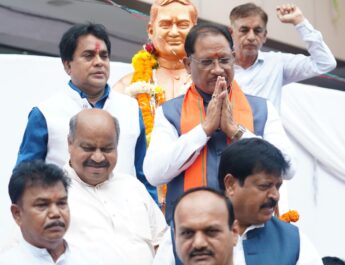
This information was shared by Union Minister for Road Transport and Highways Nitin Jairam Gadkari in a written reply to the Rajya Sabha, outlining the government’s integrated approach to vehicle modernisation, road safety and emergency care across the country.