State Government Sets Target to Raise Monthly Income of Rural Families in Eight LWE-Affected Districts to ₹30,000
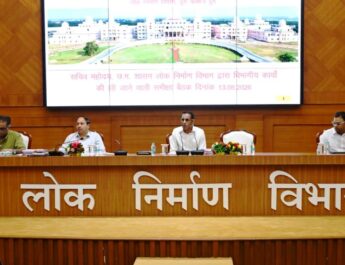
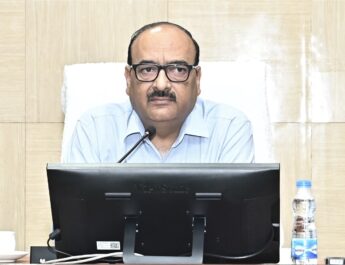
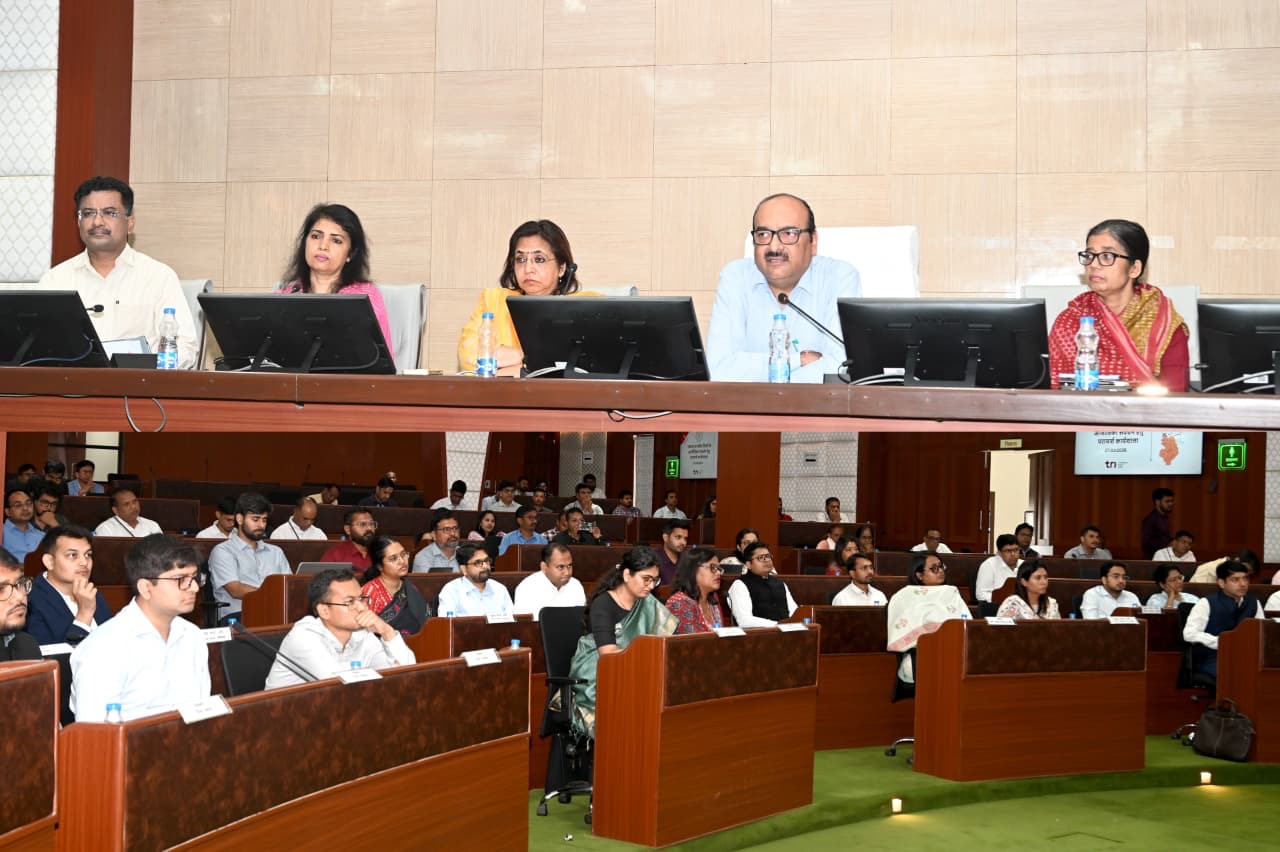
TFP Bureau, Raipur, March 27, 2026: A state-level consultative workshop on livelihood enhancement in districts affected by Left-Wing Extremism (LWE) was held in Raipur on Friday under the chairmanship of Chief Secretary Vikas Sheel, with a focus on accelerating sustainable and inclusive development in regions that have recently emerged from the grip of Naxalism.
The workshop brought together senior state officials, district administrators, and development experts to deliberate on a comprehensive strategy aimed at strengthening livelihoods and improving economic opportunities in eight Naxal-affected districts of Chhattisgarh. The initiative seeks to significantly enhance household incomes in these regions by promoting diversified livelihood activities and strengthening rural economic systems.
Among those present at the workshop were Additional Chief Secretary Richa Sharma; Principal Secretary (Panchayat and Rural Development) Niharika Barik; Principal Secretary (Agriculture) Sahla Nigar; Principal Secretary Sonmani Bora; and Secretary Bhim Singh. Collectors and Chief Executive Officers of District Panchayats from the concerned districts also participated, along with officials from departments including Panchayat and Rural Development, Forest and Climate Change, Home and Prisons, Tribal Welfare, and Village Industries. Representatives from the Transform Rural India Foundation also attended the event.
During the workshop, Anish Kumar, Managing Director of the Transform Rural India Foundation, delivered a detailed presentation outlining an integrated policy framework designed to enhance livelihoods in these regions through coordinated planning and targeted interventions.
Addressing the gathering, Chief Secretary Vikas Sheel said that as Chhattisgarh moves steadily towards becoming Naxal-free, the responsibility of the administration increases to ensure that development reaches even the most remote and previously neglected areas. He emphasised that sustainable and inclusive growth must be prioritised in regions where basic infrastructure and economic opportunities have historically remained limited.
He further noted that in line with the vision of Chief Minister Vishnu Deo Sai, all departments must adopt a coordinated and integrated approach while implementing development programmes. A comprehensive action plan for the next three years will be prepared with a strong focus on livelihood generation based on locally available resources.
Officials from various departments presented suggestions on improving the implementation of government schemes in these districts. District-level representatives shared ground-level experiences and highlighted the need for stronger inter-departmental coordination to maximise the impact of development initiatives.
Detailed discussions were also held on cluster-based and block-centric livelihood models aimed at strengthening the rural economy. Under this approach, agriculture, animal husbandry, forest produce, fisheries, handicrafts, and micro-enterprises will be integrated to create sustainable income opportunities for rural households. The model seeks to ensure better convergence of government schemes and more effective utilisation of local resources.
The workshop also deliberated on a three-tier planning and implementation framework involving district, block, and cluster levels. Under this system, schemes tailored to the specific needs of local communities will be designed and implemented in a time-bound manner.
Officials emphasised that the state government’s objective is not limited to launching development schemes but to ensure a measurable increase in the income levels of rural households. Special emphasis will also be placed on providing job-oriented skill training to youth and supporting them in establishing self-employment ventures.
Another major focus of the workshop was strengthening the value chain from production to marketing so that farmers and rural producers can receive better returns for their products. Officials were directed to identify potential livelihood clusters in every development block and prepare a detailed action plan within 60 days, including surveys, scheme formulation, and implementation strategies.
The strategy discussed during the workshop is expected to serve as a strong foundation for socio-economic transformation in Naxal-affected areas, helping rural communities achieve greater self-reliance and integrate more effectively into the mainstream economy.
According to findings from a survey conducted by the National Council of Applied Economic Research (NCAER), nearly 85 percent of households in LWE-affected districts currently have a monthly income of less than ₹15,000. In view of this, the state government has set an ambitious target to increase the monthly income of families in these districts to at least ₹30,000 over the next two-and-a-half to three years.
Principal Secretary Niharika Barik explained that the strategy to achieve this goal is based on four key pillars—diversification, collectivisation, technology, and saturation. Under the proposed framework, each household will be connected with at least three different livelihood activities, while districts will focus on four priority sectors based on local economic potential.
The initiative will follow a cluster-centric and market-oriented approach supported by a strong value chain mechanism to ensure sustained income growth. The Chief Secretary directed district administrations to take proactive leadership in implementing the programme.
Partner organisations including NABARD, FES, and PRADAN also shared suggestions on strengthening the value chain for Non-Timber Forest Produce (NTFP) and promoting Farmer Producer Organisations (FPOs) to enhance the income of rural producers.
During the workshop, officials also presented the “Tripod Model” as the guiding framework for planning and implementation. The model integrates three key dimensions—family, region, and livelihood activities—to ensure a holistic and sustainable approach to rural development in Naxal-affected areas.