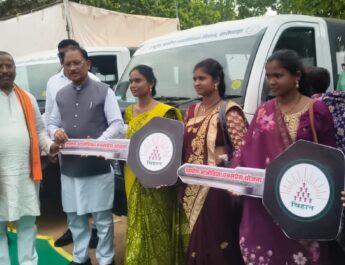

Stories from Bijapur, Kondagaon and Dantewada Highlight Changing Ground Reality in Bastar Region
TFP Bureau, Raipur, April 6, 2026: In a powerful reflection of changing realities in Chhattisgarh’s Bastar region, three former extremists from Bijapur, Kondagaon and Dantewada districts have rebuilt their lives after surrendering and joining the social mainstream under the state government’s Surrender and Rehabilitation Policy. Their journeys—from violence and uncertainty to stability and self-reliance—underscore the impact of sustained rehabilitation efforts aimed at restoring peace and development in affected areas.
Arvind Hemla: A second chance at life
At 22, Arvind Hemla from Bijapur district has already lived through profound hardship. Born into a financially distressed rural family dependent on agricultural labour, his childhood was marked by deprivation. The early death of his father in 2009, followed by his mother’s passing in 2016, left him orphaned and vulnerable at a crucial stage of his life.
In the absence of guidance and amid difficult local circumstances, Arvind was drawn towards Naxalite activities during his youth. What initially appeared as a means of belonging gradually became a cycle of fear and instability. Over time, he realised that the path of violence offered no future.
In March 2025, inspired by the state government’s rehabilitation policy, Arvind voluntarily surrendered. Following his surrender, he was admitted to the Rehabilitation Centre in Bijapur, where he received counselling, structured support and skill development training. He trained as a mason, learning construction techniques that opened the door to lawful employment.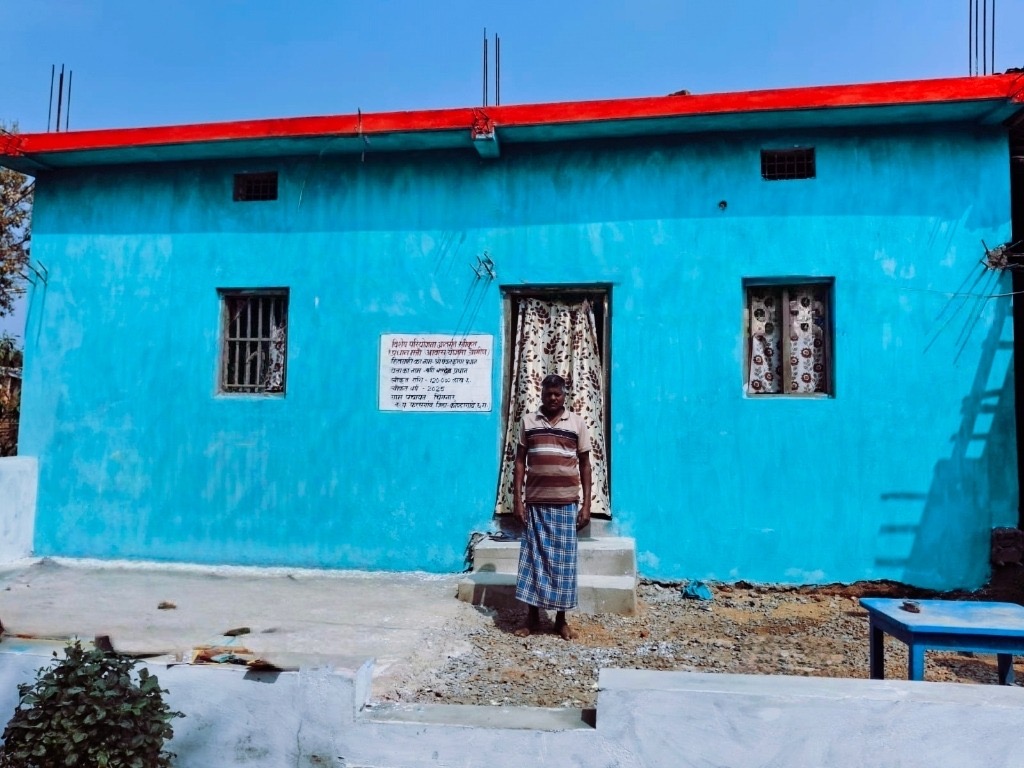
Today, Arvind works as a construction labourer in Mancherial district of Telangana, earning around ₹600 per day. With steady income and renewed confidence, he has reintegrated into society and is living with dignity. Officials say his story illustrates how timely intervention, skill training and consistent support can transform lives once trapped in extremism.
Pawan Kumar: From forest hut to permanent home
In Kondagaon district, another story of transformation is unfolding. Pawan Kumar of Chingnar village in Farasgaon block once lived in a hut on the edge of a forest, in an area previously affected by Maoist activity. His family survived in a dilapidated mud structure, lacking basic amenities such as electricity, sanitation and secure shelter.
Formerly associated with a Maoist organisation, Pawan eventually realised that the cycle of violence offered neither safety nor progress. Influenced by the government’s surrender and rehabilitation initiative, he chose to lay down arms and return to the mainstream.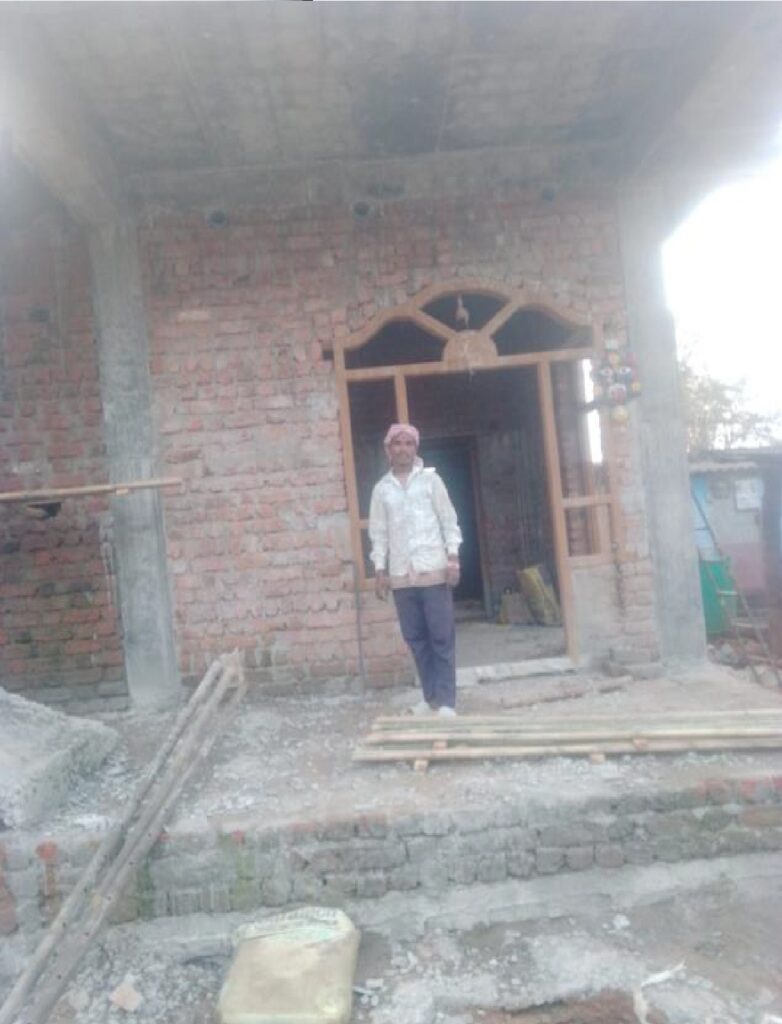
Under a special housing component linked to the Pradhan Mantri Awas Yojana (Gramin) for surrendered individuals in 2024–25, the district administration sanctioned a permanent house for him. Financial assistance was released in phases—₹40,000 as the first instalment, ₹55,000 as the second and ₹25,000 as the final instalment. He was also provided 90 days of wage employment during the construction phase.
With this support, Pawan completed his new home within the stipulated timeframe. The house now has electricity, cooking gas, a toilet and tap water facilities, significantly improving the family’s living conditions. The secure shelter has not only provided physical stability but also psychological reassurance about the future.
Sharmila Poyami: Stitching a new future in Dantewada
In Dantewada, 19-year-old Sharmila Poyami represents another face of transformation. A resident of Bhairamgarh block in Bijapur district, Sharmila was once associated with the Bhairamgarh Area Committee and had received training in guerrilla warfare and weapon handling.
Over time, she came to understand that progress lies in education, skills and peaceful livelihoods rather than armed struggle. On February 7, 2026, she surrendered and chose to return to the mainstream.
Under the rehabilitation policy, she was enrolled at the Livelihood College in Dantewada. For the past several weeks, she has been undergoing intensive tailoring training. She is learning to stitch garments such as suits and blouses and plans to establish her own tailoring centre in her village after completing the course.
Sharmila also intends to utilise her family’s four acres of ancestral land for modern farming, cultivating vegetables such as tomatoes, radishes and leafy greens to supplement her income. She has reported significant improvement in her health and confidence due to structured training, nutritious meals and a supportive environment at the college. Recently, she even participated in a marathon in Jagdalpur, reflecting her growing self-belief.
Her elder sister, who was also previously associated with Naxalite activities, has similarly returned to the mainstream and is pursuing self-reliance, indicating a broader shift within families once affected by extremism.
Policy impact and regional transformation
Officials state that the Chhattisgarh Naxal Surrender/Victim Relief and Rehabilitation Policy provides a comprehensive support system, including financial assistance, housing, livelihood training and social reintegration measures. The initiative is designed to encourage those involved in extremist activities to abandon violence and rebuild their lives with dignity.
The stories of Arvind Hemla, Pawan Kumar and Sharmila Poyami reflect a gradual but visible transformation in districts once heavily affected by insurgency. As development projects expand and rehabilitation efforts strengthen, more individuals are opting for education, employment and entrepreneurship over conflict.
These narratives from Bijapur, Kondagaon and Dantewada highlight a broader shift toward stability and growth in the Bastar region, signalling hope for sustained peace and inclusive development in the years ahead.