On World Youth Skills Day, the state highlights industry-driven training, employment-focused initiatives, modern technology courses and national recognition in skill development.
TFP Bureau, Raipur, July 15,2026: Marking World Youth Skills Day, the Chhattisgarh government showcased its growing achievements in skill development, highlighting how employment-oriented training is helping thousands of young people secure jobs and become self-reliant. The state has positioned skill development as a key pillar of its vision for a developed Chhattisgarh by equipping youth with industry-relevant skills through the Mukhyamantri Kaushal Vikas Yojana (Chief Minister’s Skill Development Scheme).
Deputy Director Lakshmikant Kosariya said that skills have become the greatest asset in today’s competitive world, adding that a skilled youth never lacks opportunities. He said the government is committed to providing modern, employment-oriented training aligned with industry requirements.
Since the launch of the scheme, 4,94,330 youths have received skill training across various employment-oriented trades, while 2,74,934 have successfully secured employment. At present, training is being imparted through 375 vocational training providers, including 199 government and 176 private institutions, under the National Skills Qualifications Framework (NSQF).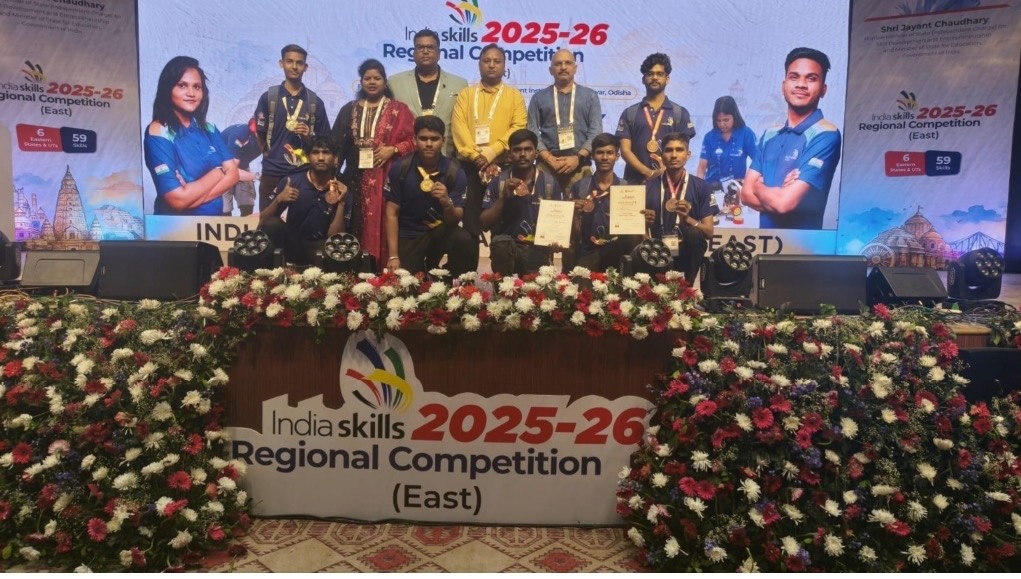
During the 2025-26 financial year, 9,418 youths have completed training so far, with 7,528 already placed in jobs, while 6,679 trainees are currently enrolled in various skill development programmes.
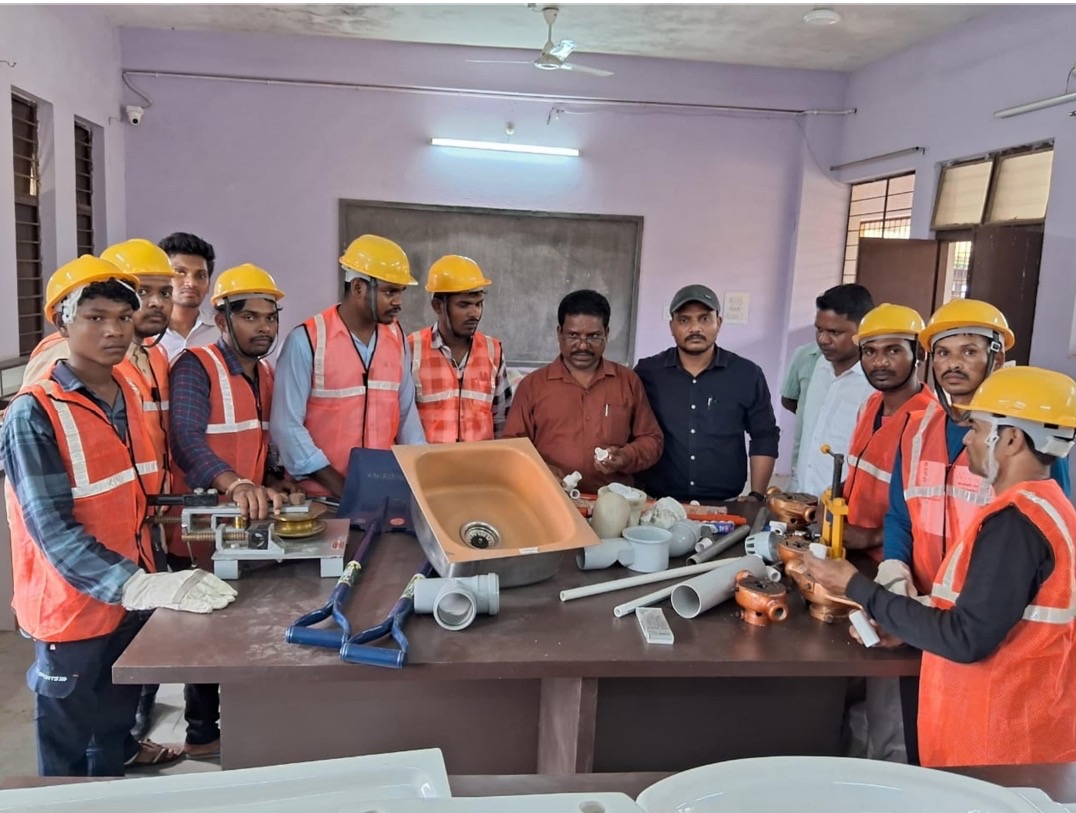
To meet the demands of emerging industries, the state has expanded its curriculum beyond conventional trades. New-age courses in Electric Vehicle (EV) maintenance, drone operations, Artificial Intelligence and Machine Learning (AI-ML), cybersecurity, and Suryamitra (solar energy) are now part of the training ecosystem. A newly introduced Water Distribution Operator programme aims to provide multi-skill training and facilitate employment for 2,770 youths.
The government has also strengthened quality standards across training centres. Training of Trainers (ToT) certification has been made mandatory for instructors, while trainees must complete at least seven days of On-the-Job Training (OJT) before assessment. Face-based online biometric attendance systems and IP-based CCTV surveillance have also been introduced to improve transparency, discipline and training quality.
Employment remains a central focus of the programme. Training providers are required to establish verified employment partnerships before receiving approval, and 60 per cent of their payment is released only after successful placement of trainees, ensuring accountability and job-oriented training.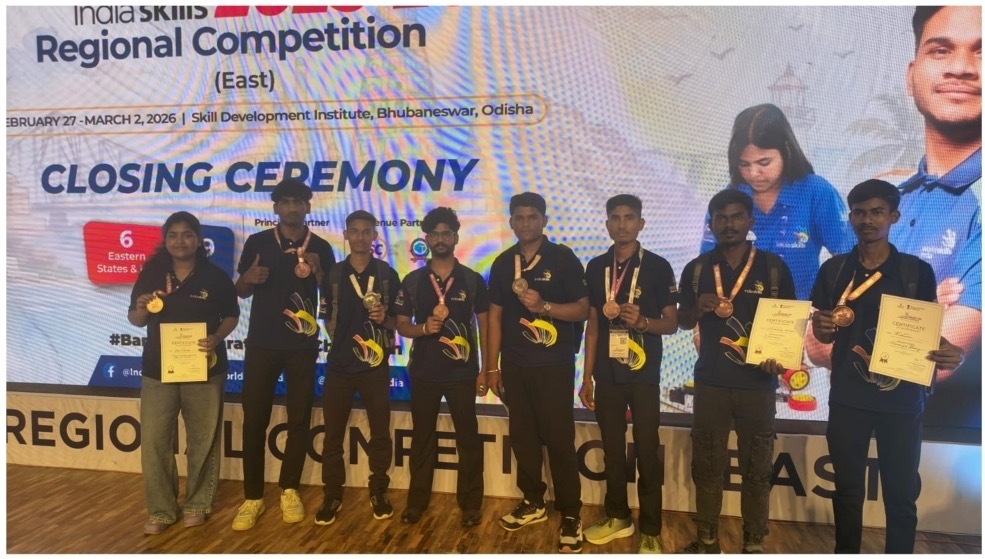
Special efforts are also underway to expand skill development in the tribal and remote areas of Bastar division. Skill Development Centres are being established across all development blocks, while an Assistant Mason course has already begun in Bijapur. Rehabilitation centres in Bastar, Dantewada, Narayanpur, Sukma, Kanker and Bijapur have also been registered as vocational training providers.
The state has partnered with leading organisations to improve industry linkages. In collaboration with Mahindra & Mahindra, a tractor mechanic training programme has trained 101 youths, with 60 more currently undergoing training. Electric vehicle technology courses are being conducted at Raipur Livelihood College in partnership with Cyronics Technology Pvt. Ltd., while the Naandi Foundation has trained 1,142 socially and economically disadvantaged women in employability skills. Additional hospitality-sector training has also been introduced through industry collaborations.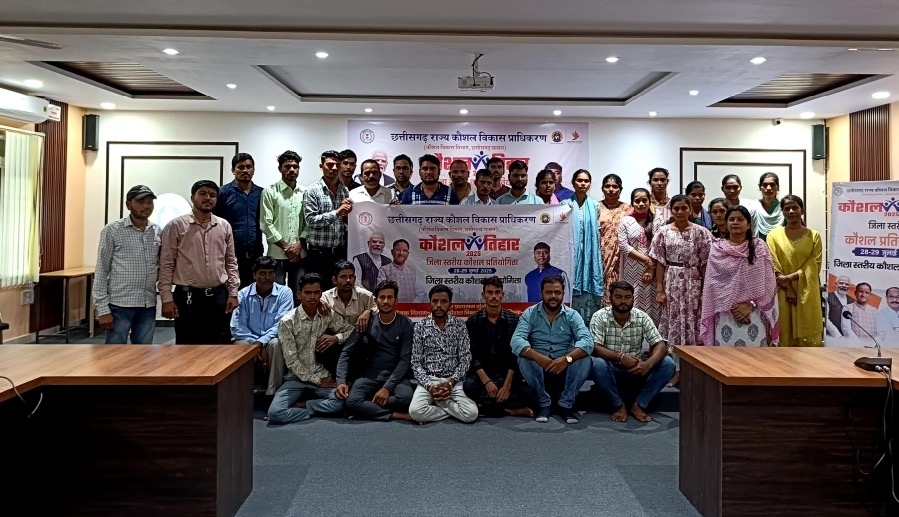
Livelihood Colleges have emerged as important centres for skill development across the state. Since 2013, these institutions have trained 68,552 youths, of whom 28,820 secured employment and 10,632 became self-employed, taking the total number of livelihood beneficiaries to 39,452. Currently, 2,413 youths are undergoing training, while 13,188 people have been trained under the PM Vishwakarma Yojana since 2024.
The government has also expanded training infrastructure. Livelihood College buildings are operational in 26 districts, while construction and land allocation are progressing in newly created districts. The state currently operates 26 girls’ hostels and 20 boys’ hostels to support trainees.
Looking ahead, the government plans to establish a Livelihood Centre of Excellence in Naya Raipur to provide world-class engineering and non-engineering skill training using advanced laboratories, modern workshops and industry-grade equipment. A ₹2 crore budget provision has been made in the 2026-27 Budget for the land lease agreement of the project.
Chhattisgarh has also earned national recognition for its performance in skill development. During the 2025-26 IndiaSkills competitions, 3,327 participants competed at district and state levels across 19 skill trades, with 381 advancing to the state-level contest. At the East Zone Regional Competition in Bhubaneswar, Chhattisgarh won 12 medals, including one gold, two silver, five bronze medals and four Medallions of Excellence.
Three participants represented the state at the national-level IndiaSkills competition, where one secured a Medallion of Excellence. The Government of India also honoured Chhattisgarh with a certificate of appreciation for its outstanding performance and successful conduct of the competitions.
Further strengthening healthcare-related skill development, the state is developing advanced training modules in cardiac care and healthcare services in partnership with the Sri Sathya Sai Health and Education Trust.
Officials said the state’s comprehensive approach—combining modern technology, quality training, industry partnerships, employment assurance and infrastructure development—is transforming skill development into a powerful instrument for creating a self-reliant and employable youth workforce, contributing significantly to the vision of a Developed Chhattisgarh and Developed India.