Sai-led Council of Ministers approves Ease of Doing Business Bill, private university reforms, GST amendments, OTS scheme for Naya Raipur and host of administrative measures
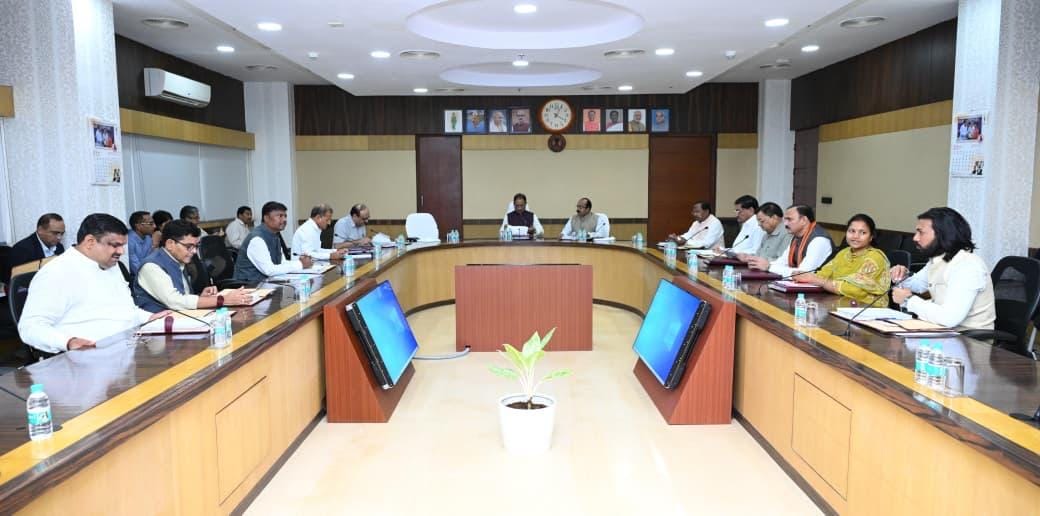
TFP Bureau, Raipur, July ,8,2026: The Chhattisgarh Cabinet, chaired by Chief Minister Vishnu Deo Sai, on Wednesday approved a series of policy and legislative measures aimed at improving governance, attracting investment, strengthening higher education, simplifying taxation and enhancing public service delivery across the state.
Among the key decisions, the Cabinet approved the implementation of a Direct Debit Mandate (DDM) system, in line with Reserve Bank of India (RBI) guidelines, to replace the existing Tripartite Agreement for securing payments made by the Chhattisgarh State Power Distribution Company to Central Public Sector Undertakings (CPSUs) supplying electricity. The government said the move would ensure uninterrupted power supply without imposing any additional financial burden on the state.
The Council of Ministers also approved amendments to the Chhattisgarh Police Special Executive Force (Bastar Fighters) and Fighter Constable Service (Recruitment and Conditions of Service) Rules, 2026, to strengthen the state’s special police force.
To improve the quality of higher education, the Cabinet cleared the draft Chhattisgarh Private Universities (Establishment and Operation) (Amendment) Bill, 2026. The amendment replaces the existing corpus fund requirement with a reserve fund and introduces stricter provisions relating to infrastructure and academic standards in accordance with University Grants Commission (UGC) norms, while safeguarding the interests of enrolled students.
The Cabinet also approved the Chhattisgarh Value Added Tax (Amendment) Bill, 2026, paving the way for the abolition of the Commercial Tax Tribunal. Pending VAT appeal cases will be transferred to the Board of Revenue following the implementation of the Goods and Services Tax (GST) regime and the establishment of the GST Appellate Tribunal.
In another tax reform measure, the Cabinet approved the Chhattisgarh Goods and Services Tax (Amendment) Bill, 2026, aimed at simplifying GST compliance, expediting refund procedures and making tax administration more transparent, particularly for exporters and industries operating under an inverted duty structure.
Seeking to attract greater private investment, the Council approved the Chhattisgarh Industrial Investment Promotion (Amendment) Bill, 2026, incorporating best practices adopted by leading industrial states to create a more investor-friendly environment.
The Cabinet also gave its nod to the Chhattisgarh Ease of Doing Business (Exemption and Facilitation) Bill, 2026, which the government described as the first legislation of its kind in the country. The proposed law introduces provisions such as deemed approvals, self-certification, third-party verification, risk-based inspections and the removal of dual licensing requirements to simplify business establishment and industrial approvals.
To provide relief to property allottees in Naya Raipur, the Cabinet approved the One Time Settlement (OTS) Scheme-2026 for plots and built-up properties allotted by the Naya Raipur Atal Nagar Development Authority (NRDA). The scheme is expected to facilitate the settlement of outstanding dues, reduce litigation, improve land utilisation and accelerate development activities in the capital region.
The Council of Ministers also approved a proposal to adopt the Water (Prevention and Control of Pollution) Amendment Act, 2024, in the state through a resolution in the Legislative Assembly. The amendment seeks to simplify environmental compliance by replacing criminal penalties for minor violations with monetary penalties and streamlining adjudication and appeal mechanisms.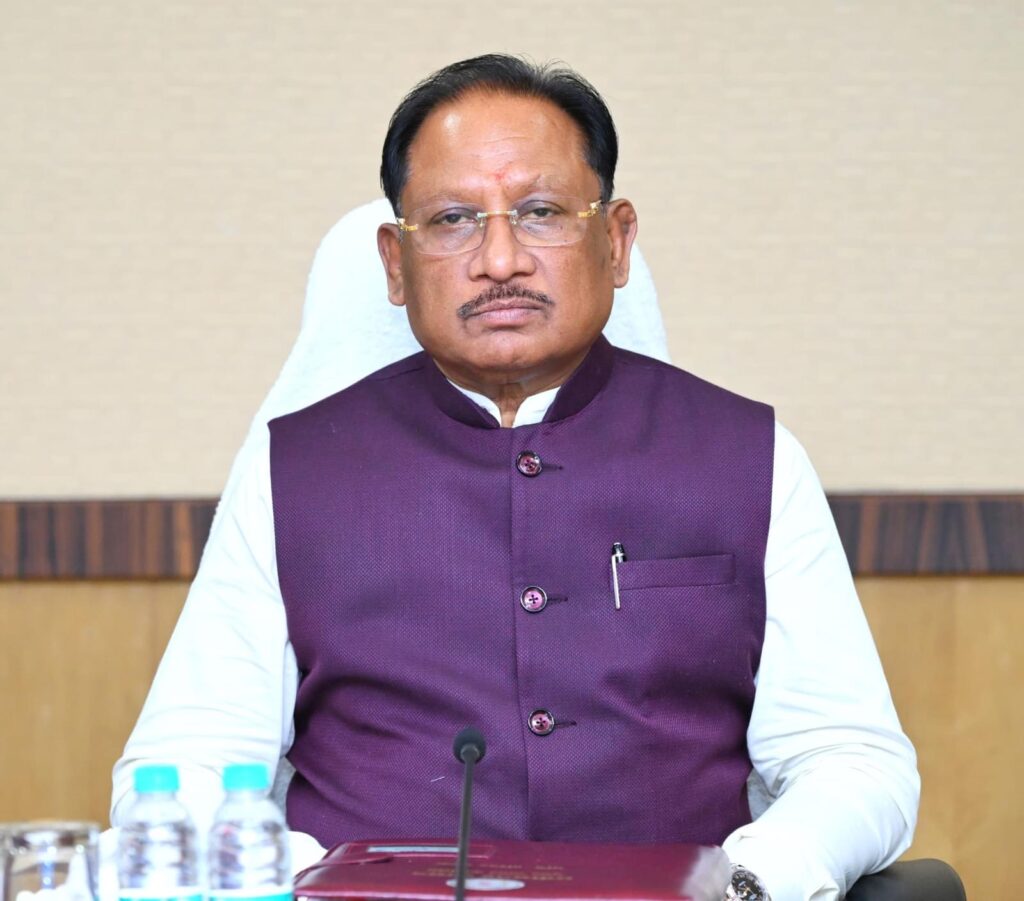
Further, the Cabinet approved the draft Chhattisgarh Rent Control Act, 2011 (Amendment) Bill, 2026, incorporating provisions in line with the Government of India’s Model Tenancy Act, 2021. The amendments aim to encourage rental housing, clearly define the rights and responsibilities of landlords and tenants, and ensure faster resolution of tenancy disputes.
In another significant decision, the Cabinet approved the allocation of government land for the construction of a modern 2,000-seat auditorium in Rajnandgaon, which is expected to serve as a major venue for cultural, educational and public events.
The decisions are aimed at improving administrative efficiency, strengthening the investment climate, promoting industrial growth, enhancing tax administration and supporting infrastructure development across Chhattisgarh.