Nearly 3,000 engineers across the value chain contribute to safety, quality, productivity and BALCO’s 1 MTPA expansion vision
TFP Bureau, Korba, September 15, 2026: Engineers are playing a key role in strengthening aluminium manufacturing at Bharat Aluminium Company (BALCO) as the company moves towards its vision of producing 1 million tonnes of aluminium a year.
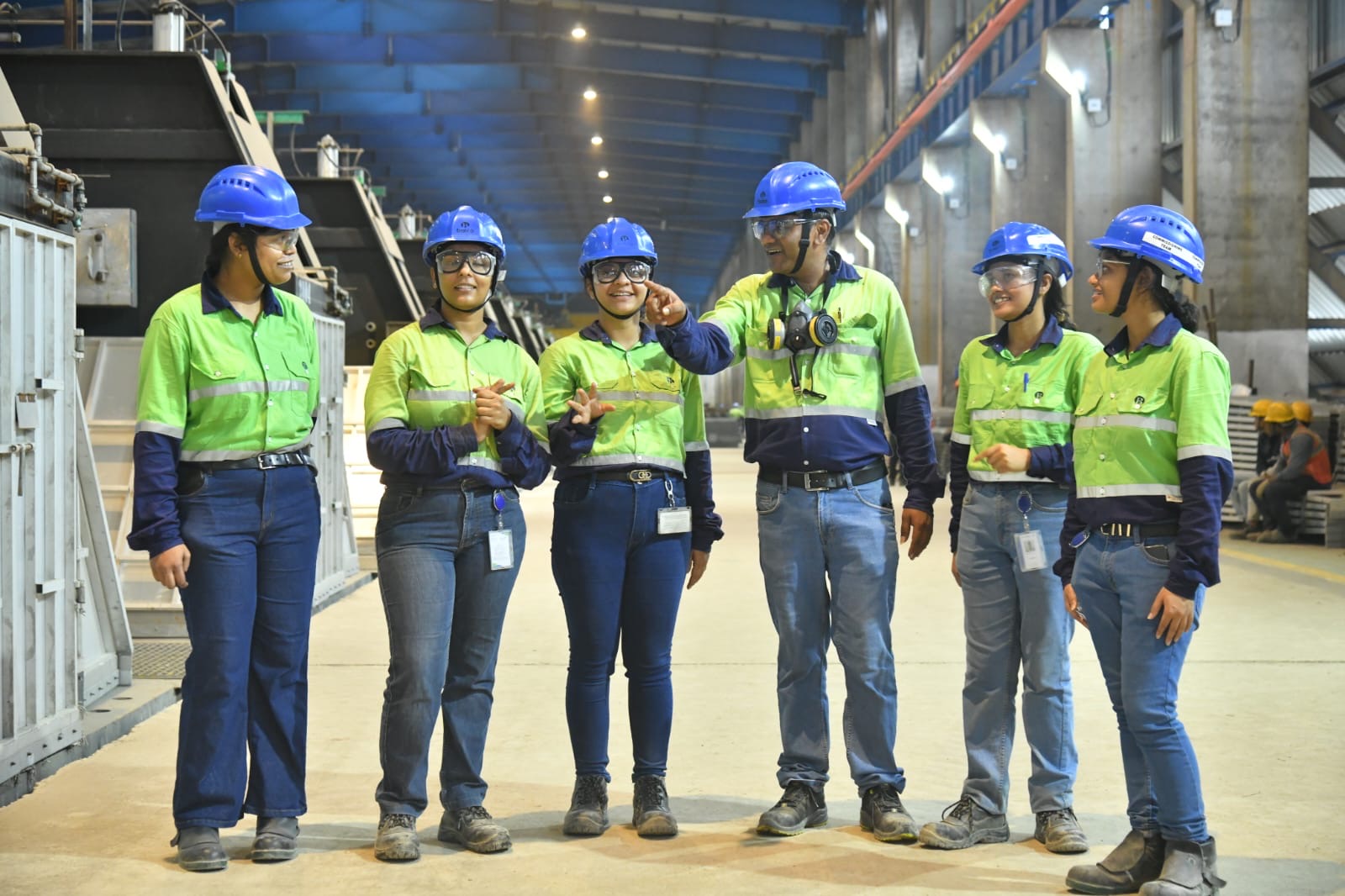
From operating high-capacity potlines and improving process quality to using artificial intelligence and enhancing resource efficiency, engineers across BALCO are working on process improvements aimed at making operations safer, more efficient and sustainable.
The aluminium manufacturing process involves several interconnected stages, with changes at one stage affecting subsequent operations. Engineers play a central role in managing these processes by combining technical expertise, operational knowledge and technology to address challenges and improve performance.
Priyanka Sahu of Potline Operations, who works with BALCO’s 525-kiloampere potline, said the scale of operations provided engineers with opportunities to learn and innovate. “Even a small change can have a significant impact on manufacturing, and we constantly strive to build on these small improvements,” she said.
Digital technologies are also changing the way operational data is used in manufacturing. Navpreet Singh Ghai of BALCO’s Digital team said artificial intelligence and data-based tools were helping engineers identify patterns, understand changes in plant operations and take timely decisions.
“A plant generates a lot of information through its processes. Our role is to make that information useful for the people running those processes,” he said, adding that data-driven analysis could help identify deviations before they developed into larger operational challenges.
Process consistency is another area where engineers play an important role, particularly in maintaining product quality. Engineers in the Process and Quality Control function analyse process data along with shop-floor observations to identify variations and determine corrective measures.
Azlan Sharif of the Process and Quality Control team said identifying small changes in a process and addressing them at the appropriate stage could improve overall performance. He said engineers regularly compared operational data with shop-floor conditions to understand the reasons behind variations and implement corrective measures.
At the Casthouse, engineers are focusing not only on converting molten aluminium into finished products but also on improving resource efficiency and reducing the environmental impact of operations.
Aashika Singh of the Casthouse said improvements in energy use, material consumption and process efficiency could help create greater value while reducing the environmental footprint of manufacturing.
Nearly 3,000 engineers, including employees and business partners, are engaged across BALCO’s aluminium value chain. Their work spans safety, quality, productivity, digitalisation and sustainability.
On Engineers’ Day, BALCO recognised the contribution of its engineering workforce in strengthening current operations and preparing the company for the scale and technological demands associated with its 1 MTPA vision.