Chief Minister Vishnu Deo Sai has called for infrastructure investments that deliver long-term economic and social benefits, directing officials to set clear project timelines, ensure construction quality and plan public assets to meet future demand.
TFP Bureau, Raipur, October 13, 2026: Chhattisgarh Chief Minister Vishnu Deo Sai on Tuesday directed officials to align infrastructure development with the state’s future economic growth, population expansion and industrial requirements, emphasising time-bound execution, quality construction and regular maintenance of public assets.
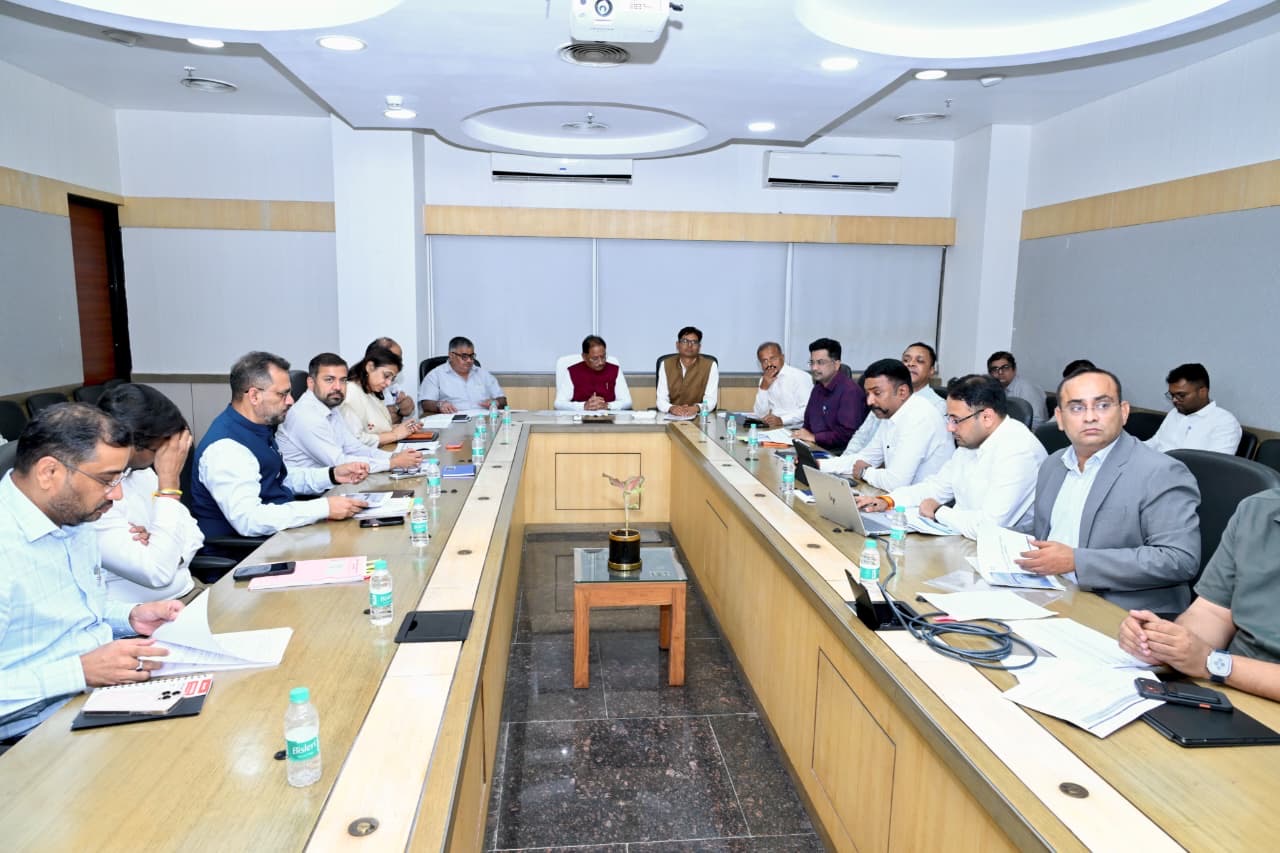
Chairing a high-level review meeting of the Mukhyamantri Adhosanrachna Mission at Mahanadi Bhawan, Sai said infrastructure investment should be treated as a long-term investment in the state’s economic and social development rather than merely an expenditure on construction.
He said roads, educational institutions and other public facilities must be designed to meet not only present requirements but also the needs of future generations. Infrastructure planning, he added, should support agriculture, industry, trade, tourism, employment and improved public services in line with the state’s Anjor Vision 2047.
The Chief Minister directed departments responsible for capital expenditure to identify clear priorities and prepare coordinated, long-term action plans to ensure that public investment generates maximum benefits for citizens and the economy.
Clear timelines, no compromise on quality
Sai said budgetary allocation alone did not ensure the success of an infrastructure project, stressing that timely completion was essential to prevent cost escalation and delays in delivering public benefits.
He directed officials to establish clear timelines for every stage, from project conceptualisation and planning to budget allocation, administrative and technical approvals, tendering, issuance of work orders and completion.
Progress should be reviewed regularly, with bottlenecks addressed promptly. He made it clear that timely execution must go hand in hand with strict adherence to technical specifications, safety requirements and construction quality standards.
Road network master plan on the anvil
The Chief Minister called for a detailed survey of the state’s road network to assess existing traffic conditions, population growth, industrial expansion and future transportation requirements.
Officials were directed to identify roads requiring widening to two lanes and four lanes and prepare a long-term master plan for road development. The plan should improve connectivity between rural areas, cities, industrial zones and major economic centres.
Sai said better road connectivity would facilitate the movement of agricultural produce, improve access to markets, promote trade and industry, and create opportunities for investment and employment. Road projects, therefore, should be planned according to their wider economic impact on the regions they serve.
Maintenance to receive equal priority
Emphasising the importance of preserving public assets, Sai directed departments to establish effective systems for regular inspections and timely repairs of roads, buildings and other infrastructure.
He said inadequate maintenance could allow minor defects to develop into major problems, increasing repair costs and reducing the useful life of assets. Long-term maintenance arrangements should, therefore, be incorporated into project planning from the outset.
The Chief Minister also called for schools, colleges and public buildings to be designed with provisions for future expansion, safety, accessibility and ease of maintenance. Anticipating future demand at the planning stage would reduce the need for costly modifications later.
Modern technology and digital monitoring
Sai stressed the adoption of modern construction technologies, quality materials and proven practices from other states, suitably adapted to Chhattisgarh’s geographical and regional requirements.
He also called for regular training and skill development of engineers and technical personnel to keep pace with advances in construction methods and safety standards.
The meeting discussed a proposed integrated digital system to connect infrastructure planning, financing, approvals, procurement, construction, monitoring and maintenance. Such a system would help track the physical and financial progress of projects across departments and monitor compliance with stipulated timelines.
A comprehensive assessment of existing infrastructure will also be undertaken to identify gaps between available facilities and actual requirements, enabling departments to prioritise projects and use financial resources more effectively.
Departments urged to follow a common vision
The Chief Minister stressed better coordination among departments to avoid duplication of work, improve resource utilisation and ensure that individual projects complement the state’s overall development priorities. He also called for infrastructure to be durable and resilient to climate-related challenges.
Sai said development should not be measured merely by the kilometres of roads built or the number of buildings completed, but by the improvement in citizens’ lives, expansion of economic activity and opportunities created for local communities.
He also emphasised the need to widely communicate information about public welfare projects and the benefits new infrastructure would provide to citizens.
Deputy Chief Minister Arun Sao, Finance Minister O.P. Choudhary, Chief Secretary Vikas Sheel, Principal Secretary to the Chief Minister Subodh Kumar Singh, Urban Administration and Development Department Principal Secretary Sonmoni Borah, Chief Minister’s secretaries Rahul Bhagat and P. Dayanand, Finance Secretary Rohit Yadav, Public Works Department Secretary Mukesh Bansal, Information Technology Department Secretary Ankit Anand and other senior officials attended the meeting.