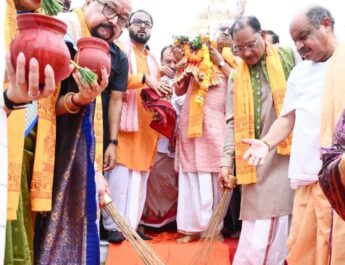
State earmarks ₹5 crore for pilgrimage circuit linking five major shrines; development plans include better connectivity, pilgrim amenities and heritage conservation
TFP Bureau, Raipur, October 15,2026: Chhattisgarh is developing a spiritual tourism corridor spanning approximately 1,000 km to connect five major Shakti shrines across the state, taking inspiration from the Char Dham pilgrimage circuit in Uttarakhand. The Shaktipeeth Project aims to strengthen religious tourism through improved connectivity, better pilgrim facilities and the conservation of historic temples.
The state government has allocated ₹5 crore in the 2026-27 Budget for the initiative, which covers Maa Bamleshwari Temple in Dongargarh, Maa Mahamaya Temple in Ratanpur, Maa Danteshwari Temple in Dantewada, Maa Bageshwari Temple at Kudargarh and Maa Chandrahasini Temple in Chandrapur.
The proposed Chhattisgarh Aastha Path scheme is intended to facilitate pilgrimages to all five shrines and develop them as an integrated religious tourism circuit. The Chhattisgarh Tourism Board and district administrations are working on temple beautification and improvements to facilities for devotees.
The project envisages better approach roads, drinking water, lighting, sanitation, parking, seating areas, rest facilities and security arrangements. Other proposed amenities include accommodation, gardens, community toilets, CCTV surveillance, tourist assistance centres, digital information systems, first-aid facilities and homestays. Ropeways and designated spaces for worship and havan are also among the facilities outlined in the development plan.
Officials and planners are expected to give attention to the architectural character of the temples, local traditions and the natural environment while developing tourism infrastructure.
₹200-crore plan for Ratanpur temple
A comprehensive development plan worth ₹200 crore for the Maa Mahamaya Temple in Ratanpur has been prepared under the Centre’s PRASHAD scheme and submitted to the Union Ministry of Tourism, according to the project brief. Work will proceed after approval and the appointment of an implementing agency.
The historic temple, associated with the Kalachuri dynasty, is traditionally dated to the 11th–12th centuries. Dedicated to the worship of the Divine Mother, it holds an important place in the religious heritage of the region.
The process of preparing comprehensive project reports for the shrines at Dongargarh, Kudargarh, Chandrapur and Dantewada is also under way. Proposals have been submitted to include prominent temples, including Maa Mahamaya and Maa Danteshwari, under the PRASHAD scheme.
Five shrines, distinct histories
Maa Bamleshwari Temple, Dongargarh: Situated on a hill in the Rajnandgaon district, the temple is among Chhattisgarh’s prominent pilgrimage destinations. Its history is linked to regional rulers and successive phases of temple development. The hilltop shrine attracts devotees from within and outside the state, particularly during religious festivals.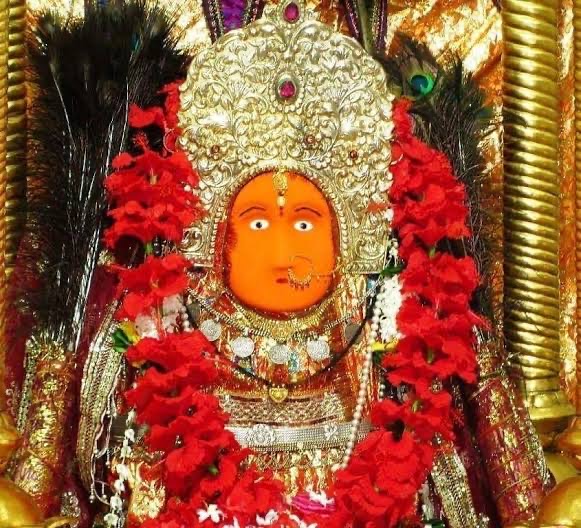
Maa Mahamaya Temple, Ratanpur: Located in Bilaspur district, the temple is associated with King Ratnadeva I of the Kalachuri dynasty and is regarded as a major Shakti shrine. Its distinctive idol is described as having the form of Mahishasuramardini on the front and Goddess Saraswati at the rear. The temple remains an important centre of worship and heritage tourism.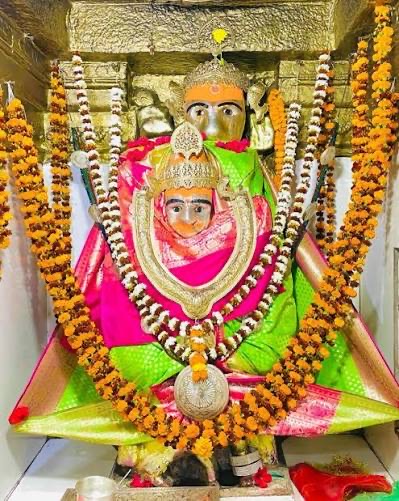
Maa Danteshwari Temple, Dantewada: Situated near the confluence of the Shankhini and Dankini rivers in the Bastar region, the temple reflects the close links between tribal traditions and religious practices. The Goddess is revered as the tutelary deity of the former Bastar royal family. The shrine plays a central role in Bastar Dussehra, when the Goddess’s ceremonial umbrella and palanquin are carried to Jagdalpur amid large gatherings of devotees.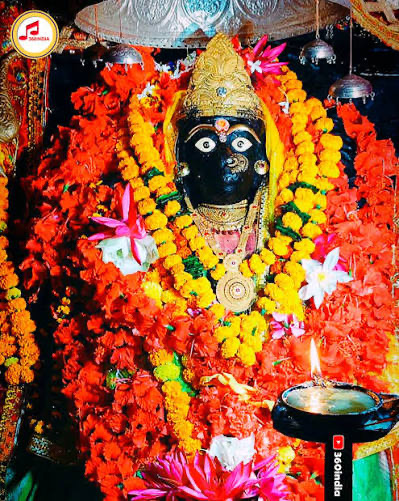
Maa Bageshwari Temple, Kudargarh: Located atop a forested hill in the Odgi development block of Surajpur district, the shrine is associated with local traditions of devotion to Goddess Bageshwari. The temple draws pilgrims, particularly during Navratri, and reflects the region’s longstanding religious and tribal customs.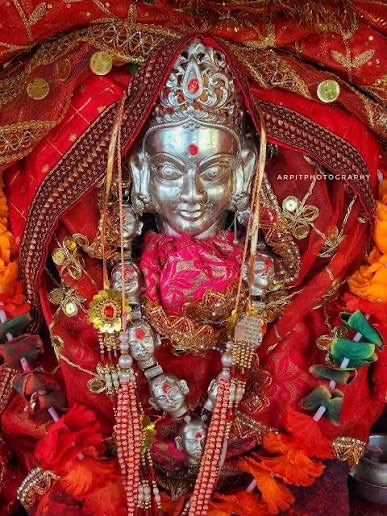
Maa Chandrahasini Temple, Chandrapur: Situated on the banks of the Mahanadi near the confluence of the Mahanadi and Mand rivers in Sakti district, the temple is a prominent centre of Shakti worship. Local traditions associate its history with regional rulers and the worship of the Goddess as a family deity.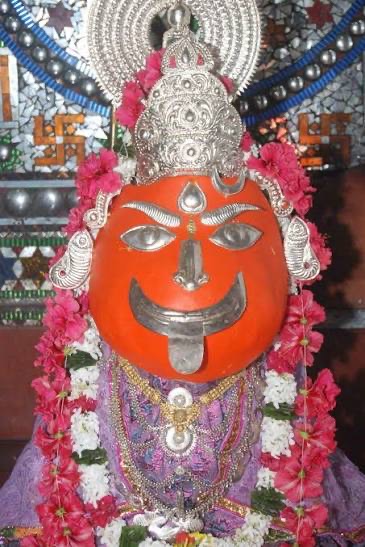
Tourism seen as an engine of employment
The Shaktipeeth Project forms part of the state’s broader effort to expand tourism while protecting its natural and cultural heritage. Chhattisgarh has identified around 138 locations as priority tourist destinations, including monuments, wildlife sanctuaries and national parks.
The wider tourism strategy aims to improve the visitor experience, attract private investment in tourism infrastructure and create employment opportunities. It also envisages promoting ecotourism, adventure tourism and other forms of sustainable travel while respecting the rights and cultural traditions of local communities.
By linking major pilgrimage sites and upgrading facilities, the state aims to increase religious tourism, support local businesses and strengthen the contribution of tourism to Chhattisgarh’s economy.