
IGKV issues crop-protection advisory as heavy to very heavy rainfall is expected in several districts on October 28–29; farmers urged to harvest mature paddy, secure produce and prevent waterlogging
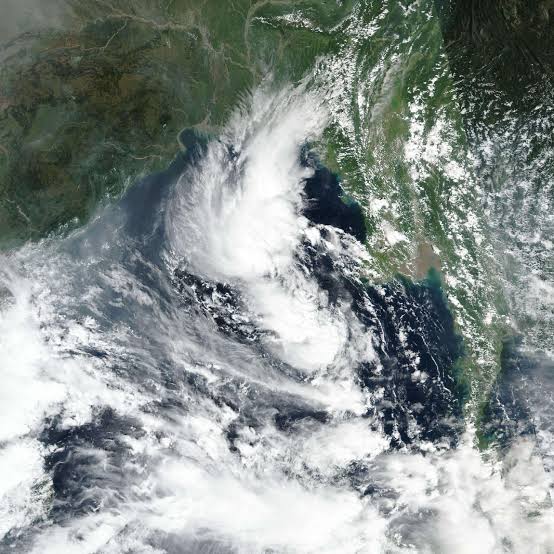
TFP Bureau, Raipur, October 28, 2026: The impact of cyclonic storm ‘Arnab’ over the Bay of Bengal is expected to bring widespread rainfall, thunderstorms and strong winds to Chhattisgarh, prompting Indira Gandhi Krishi Vishwavidyalaya (IGKV), Raipur, to issue a special agricultural advisory urging farmers to protect standing crops, harvested produce and livestock.
The university’s Department of Agrometeorology has advised farmers to take immediate precautions as rainfall ranging from light to very heavy is likely in several parts of the state between October 28 and November 1. Winds of 50–60 kmph, with gusts reaching up to 70 kmph in some areas, are also possible, along with lightning and thunderstorms.
According to the weather information cited in the advisory, the cyclone crossed the Andhra Pradesh coast between 2 am and 8 am on October 28 after being active over the west-central Bay of Bengal.
Several districts face heavy rainfall
On October 28, moderate rainfall of 15–64 mm is forecast in most parts of the state, while isolated locations may receive heavy rainfall of 64–115 mm and very heavy rainfall of 115–204 mm.
Heavy to very heavy rainfall, accompanied by thunderstorms, lightning and strong winds, is forecast across several areas of Balodabazar-Bhatapara, Mahasamund, Raipur, Durg, Balod, Dhamtari, Kanker, Narayanpur, Bastar, Bijapur, Dantewada and Sukma districts.
Light to moderate rainfall is also likely at isolated places in Surguja, Surajpur, Balrampur-Ramanujganj, Jashpur, Raigarh, Janjgir-Champa, Sakti, Sarangarh-Bilaigarh, Koriya, Bilaspur, Gaurela-Pendra-Marwahi, Mungeli, Kabirdham, Bemetara, Khairagarh-Chhuikhadan-Gandai, Rajnandgaon and Mohla-Manpur-Ambagarh Chowki.
On October 29, heavy to very heavy rainfall may occur at isolated places in Bastar, Balrampur-Ramanujganj, Surajpur, Koriya and Korba. Several other districts are likely to receive light to moderate rain.
Intermittent rainfall is expected to continue in parts of the state from October 30 to November 1, with thunderstorms and lightning possible at isolated locations.
Harvest mature paddy without delay
With the paddy harvesting season underway, the agricultural advisory recommends that farmers promptly harvest mature paddy, maize, oilseeds and other Kharif crops and move the produce to safe, covered storage facilities.
Farmers who have already harvested their crops have been advised to protect the produce from rain. Those with standing crops should regularly monitor field conditions and arrange proper drainage to prevent waterlogging.
The department has also cautioned farmers against crop lodging caused by strong winds and rain. Sowing of Rabi crops such as wheat, chickpea and lentils should be postponed until the weather improves. The first week of November has been suggested as a suitable period to begin sowing, subject to prevailing conditions.
Protect grain quality and postpone spraying
Farmers have been advised to store grain in clean, dry and well-ventilated facilities after drying it to the appropriate moisture level. Storage structures should have sound roofs, floors and drainage systems to prevent rainwater from damaging the produce.
Seeds should be checked for germination capacity and protected against pests before storage. Perishable agricultural produce should be properly covered.
The advisory also recommends postponing pesticide and herbicide spraying until weather conditions stabilise, as rainfall and strong winds may reduce the effectiveness of applications.
Special precautions for vegetables and horticultural crops
Mature vegetables and horticultural produce should be harvested promptly and transported to markets wherever feasible. Fertilisers should be applied after the weather clears, while sowing and transplanting of Rabi vegetables—including cauliflower, broccoli, beetroot and cabbage—should preferably begin in the first week of November.
Vine crops such as bitter gourd and bottle gourd may be vulnerable to damage from strong winds. Farmers have been advised to strengthen their supporting structures and ensure adequate drainage. Banana plants at the flowering or fruiting stage should be supported with bamboo poles.
Regular crop inspections are also recommended to identify signs of pests and diseases, including blight in potato crops. Appropriate pesticides or fungicides should be applied after the weather improves and as required.
Livestock owners advised to remain vigilant
The university has urged livestock owners to keep animals in dry, secure shelters and ensure adequate supplies of clean drinking water, dry fodder and feed. Fodder and animal feed should be stored in protected places to prevent deterioration due to rain.
Animals should not be allowed to shelter under trees during strong winds or lightning. Veterinary assistance should be sought promptly if livestock show symptoms such as unusual lethargy, loss of appetite, diarrhoea or breathing difficulties.
Farmers urged to follow weather updates
The Department of Agrometeorology has advised farmers to plan harvesting, storage and other agricultural operations according to the latest weather forecasts. They should avoid unnecessary movement into fields during heavy rain or lightning and take timely steps to drain excess water.
The university said that following the precautionary measures could help reduce potential losses to crops, agricultural produce and livestock during the adverse weather conditions.