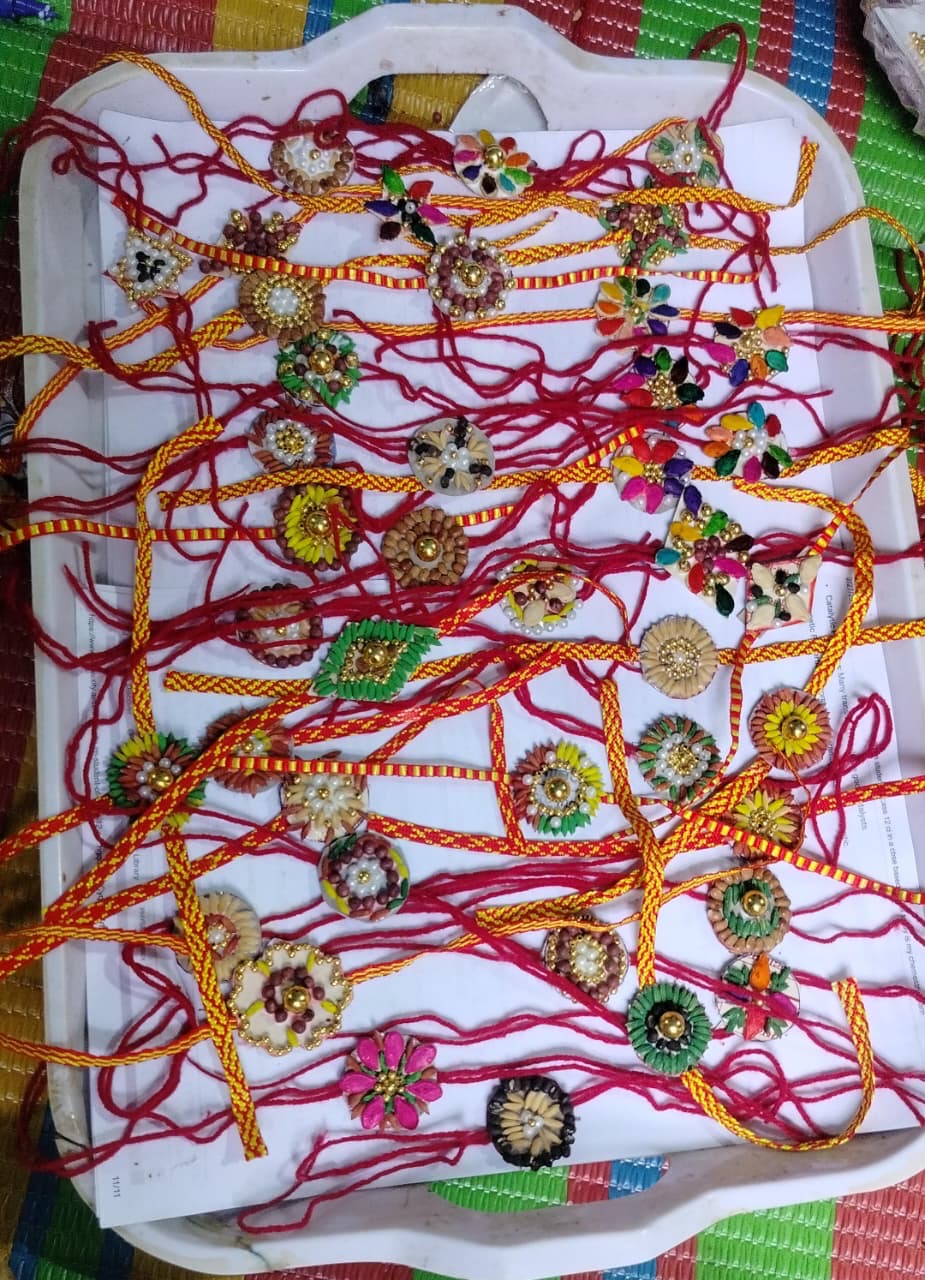
Self-help group members under Bihan craft eco-friendly rakhis embedded with native seeds, promoting environmental conservation alongside the celebration of sibling bonds
TFP Bureau, Raipur, July 19,2026: In a unique blend of tradition and sustainability, women from self-help groups in Chhattisgarh’s Raigarh district are crafting eco-friendly “Seed Rakhis” that carry a powerful message of environmental conservation along with the spirit of Raksha Bandhan. The initiative, undertaken under the Bihan programme in collaboration with the Raigarh District Panchayat, aims to encourage greenery while celebrating the cherished bond between brothers and sisters.
Launched under the guidance of Raigarh Collector Mayank Chaturvedi, the campaign has transformed Raksha Bandhan into an occasion for promoting ecological awareness. Unlike conventional rakhis, these handmade creations are embedded with native seeds that germinate into plants when discarded in soil after the festival, making them a symbol of both affection and responsibility towards nature.
The seed rakhis are made using indigenous seeds such as paddy, maize, corn, flat beans (semi), bitter gourd (karela) and yardlong beans (barbati). Once the festival is over, the rakhis can be planted or left in the soil, where the seeds sprout naturally, contributing to environmental conservation and increasing green cover.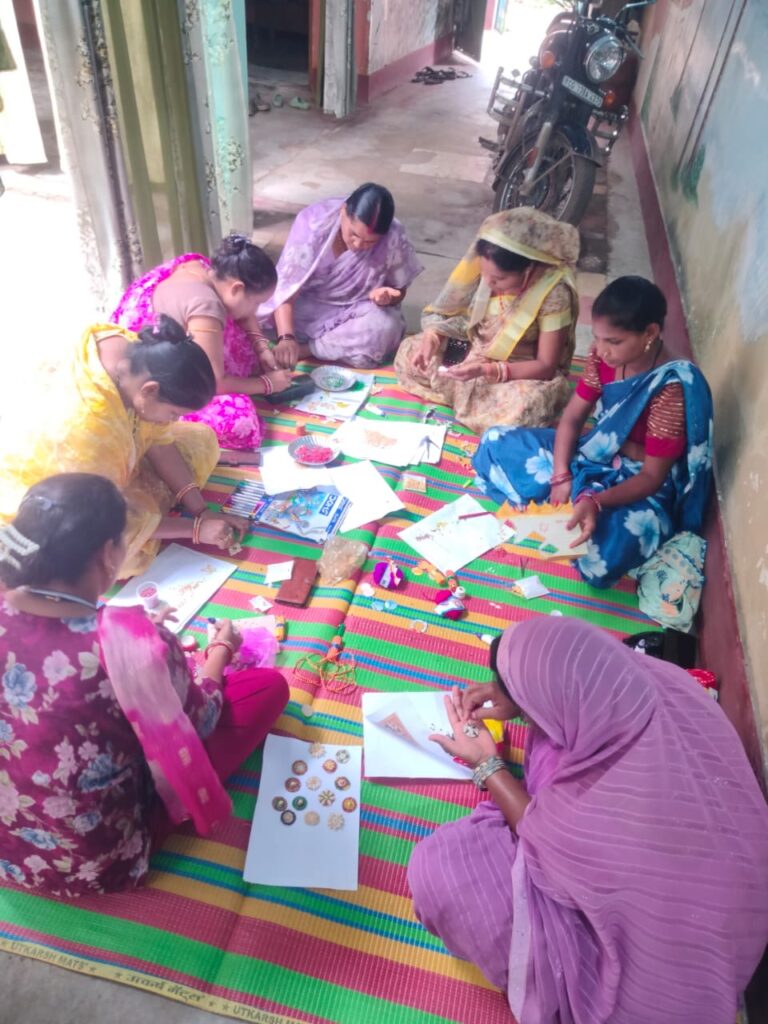
The campaign has generated enthusiastic participation across all seven development blocks of Raigarh district. Women from self-help groups and Krishi Sakhis have joined hands to create innovative and attractive seed rakhis. Among them, Kavita Rathia of the Krishna Self-Help Group from Duliyamuda-Koylar village in Dharamjaigarh has emerged as an inspiring participant. Similar efforts are being witnessed in villages such as Baispali, Junwani, Loing, Gopalpur, Sambalpuri and Lailunga, as well as Libra in Tamnar, Bade-Gumda in Gharghoda and the Putkapuri cluster in Pusaur.
To encourage innovation and creativity, the district administration will select the best Seed Rakhi from each of the seven development blocks on July 20. The entries will be judged on parameters such as design, use of indigenous seeds and the effectiveness of the environmental conservation message.
The winners will be felicitated at a special ceremony on July 27, where they will have the opportunity to tie their handmade seed rakhis to senior district officials, including the District Collector.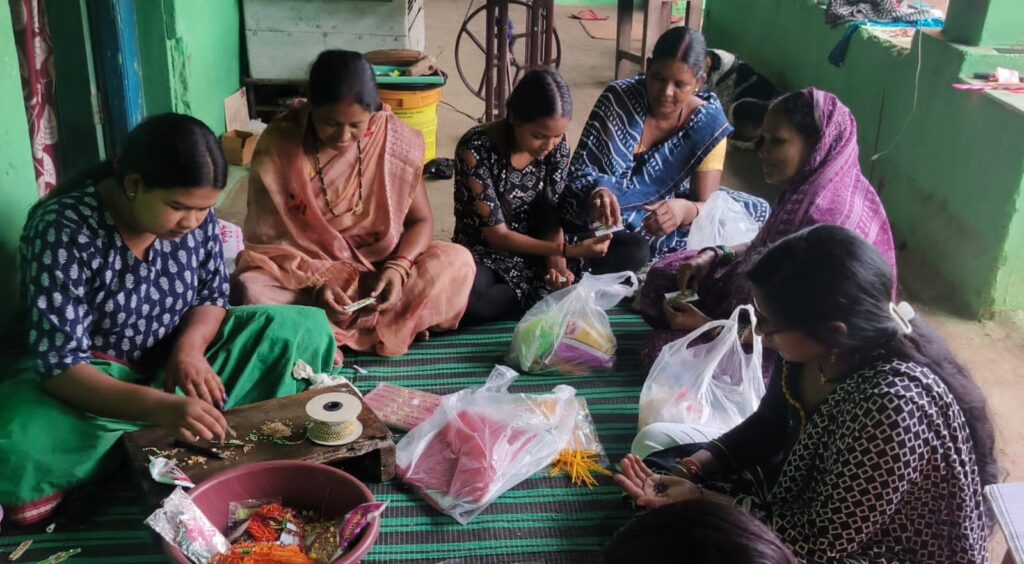
Officials said the initiative has evolved into much more than a festive competition. Through the active participation of women under the Bihan programme, the campaign is emerging as a community movement that promotes sustainable living, women’s empowerment and environmental responsibility, while giving Raksha Bandhan a meaningful green dimension.