TRI and State Government Join Hands to Promote Community-Led Rural Transformation; Green Economy Report Released
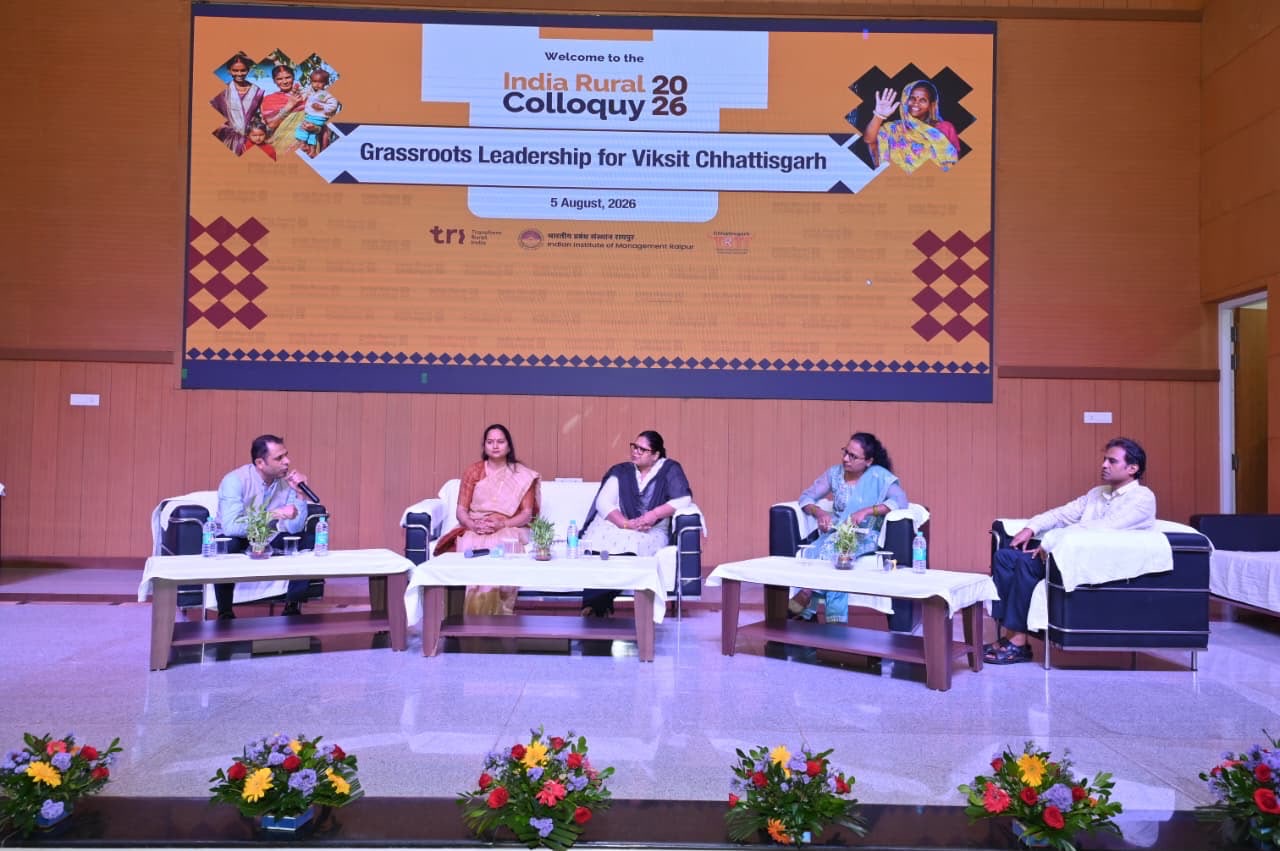
TFP Bureau,Raipur, August 5, 2026: The Chhattisgarh chapter of the sixth edition of the India Rural Colloquy (IRC) commenced in Naya Raipur with a strong focus on empowering grassroots leadership, strengthening local governance, and promoting inclusive rural development. Organized by Transform Rural India (TRI) in collaboration with the Government of Chhattisgarh, the event brought together policymakers, community leaders, development practitioners, civil society organisations, and academic experts to discuss sustainable pathways for rural transformation.
Held at the Tribal Research and Training Institute (TRTI), the Colloquy emphasized the critical role of small farmers, women’s Self-Help Groups (SHGs), and community institutions in driving economic and social progress across rural India.
Inaugurating the event, Rahul Bhagat, Secretary to the Chief Minister and Secretary, Department of Good Governance and Convergence, Government of Chhattisgarh, described small farmers and women-led Self-Help Groups as the true catalysts of rural transformation.
“Small farmers and women from Self-Help Groups are the real agents of change in rural India. Their courage to take the first step inspires entire communities to embrace development and innovation,” he said.
Green Economy Report Released
A major highlight of the Colloquy was the release of the report titled “Green Economic Pathways – Chhattisgarh,” which outlines strategies for building climate-resilient, sustainable, and inclusive rural economies. The report explores opportunities to strengthen livelihoods while promoting environmentally responsible economic development.
Delivering the keynote address, Padma Shri awardee Budri Thati emphasized the importance of restoring harmony between communities and nature, noting that meaningful transformation begins with compassion, trust, and community participation.
Strengthening Grassroots Governance
Speaking during the inaugural session, Bhim Singh, Secretary, Panchayat and Rural Development Department, stressed that the success of government schemes depends on strong village-level institutions.
“The real implementation of every government programme happens at the village level. Unless local institutions are strengthened, the pace of development will remain limited,” he observed.
The event revolved around the theme “Grassroots Leadership for Viksit Chhattisgarh”, focusing on how community-driven leadership, responsive governance, and cross-sector collaboration can accelerate inclusive rural growth.
Community Voices at the Centre
One of the key attractions of the Colloquy was “Gram Samwad: Communities Shaping the Future of Rural India”, a dialogue platform that placed community experiences at the heart of policy discussions.
Women leaders, progressive farmers, elected Panchayat representatives, and grassroots institutions shared practical experiences of improving livelihoods, strengthening public services, and building resilient rural communities. Their recommendations formed the basis for policy discussions during the “Samadhan Manthan – Policy Innovation Lab”, where interdisciplinary teams developed innovative policy proposals inspired by grassroots knowledge.
The proposals were presented before a panel comprising senior government officials, academics, civil society leaders, and community representatives, highlighting how local experiences can inform scalable public policies.
Broad Participation from Government and Academia
The Colloquy featured addresses from several prominent speakers, including Rahul Hiremath, Professor, IIM Raipur; Satyalata Miri, President, Zilla Parishad, Janjgir-Champa; Hina Animesh Netam, Director, Tribal Research and Training Institute; Meneka Chandrakar, Deputy Commissioner, Tribal Department; Ashwani Dewangan, Mission Director, State Rural Livelihood Mission; and Dr. Sanjeev Parashar, Director In-Charge, IIM Raipur.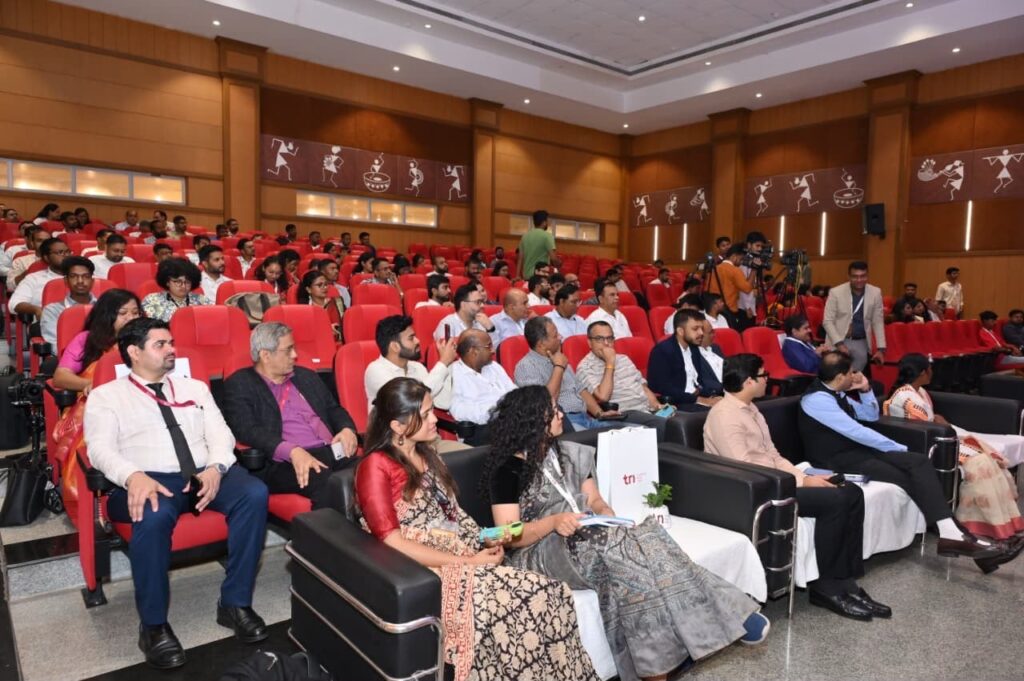
National Platform for Rural Transformation
Founded in 2016, Transform Rural India (TRI) works with rural communities across the country to promote inclusive development rooted in local leadership. As the organisation enters its second decade, it is expanding community-led and gender-inclusive development models aimed at creating equitable and sustainable rural growth.
The India Rural Colloquy, TRI’s flagship annual platform, has evolved into a nationwide forum connecting governments, businesses, academia, civil society organisations, and grassroots communities. The 2026 edition spans multiple states, including Assam, Madhya Pradesh, Uttar Pradesh, Chhattisgarh, Jharkhand, and Delhi, focusing on critical themes such as livelihoods, governance, climate resilience, gender, healthcare, technology, and local economic development, with the goal of translating policy dialogue into actionable solutions for rural India.