Lightweight, conductive and recyclable metal supports long-distance transmission, renewable energy and other infrastructure
TFP Bureau, Raipur, September 23, 2026: As India expands its power generation capacity and strengthens its position as a manufacturing hub, aluminium is emerging as an important material across the energy value chain, from renewable energy projects to long-distance power transmission.
The growth of solar and wind power, expansion of industries and data centres, and increasing electrification are driving demand for reliable electricity. While generation remains central to the energy transition, transporting power from generation centres to homes, businesses and industrial hubs requires extensive transmission and distribution infrastructure.
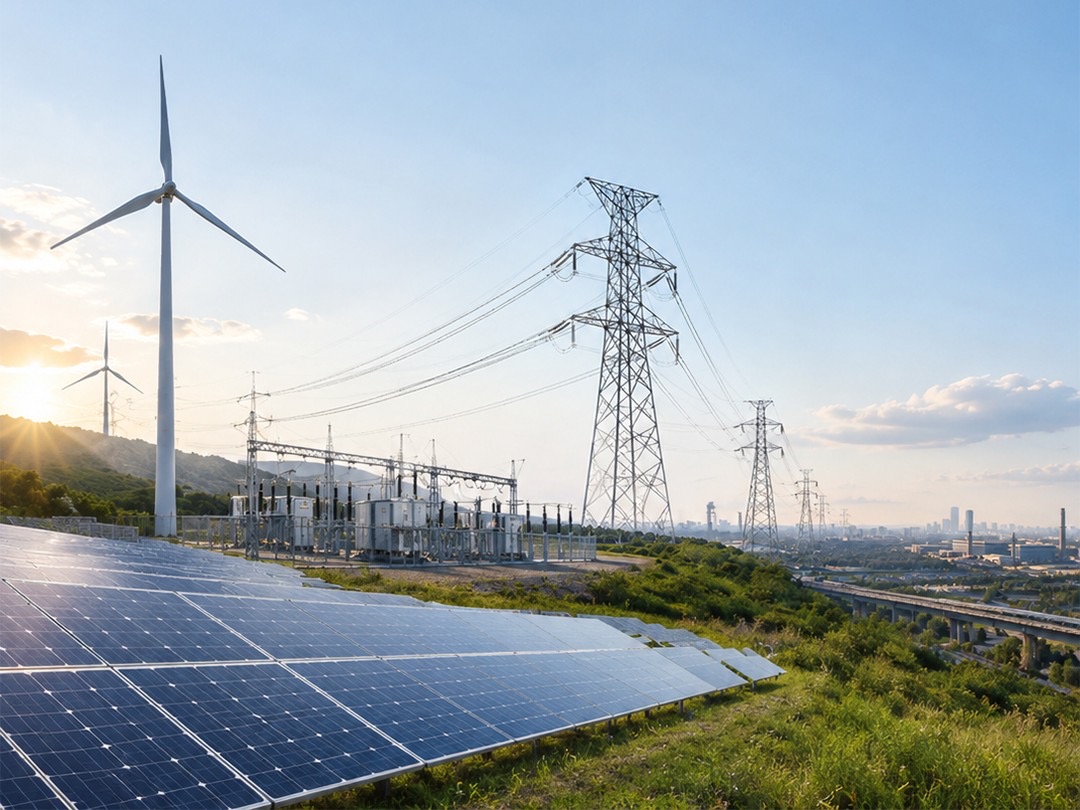
Aluminium is widely used in this network because of its combination of low weight, electrical conductivity, corrosion resistance and recyclability. The metal is used in overhead power conductors, solar panel frames and mounting structures, as well as components of wind energy systems.
A significant share of India’s renewable energy potential is located away from major cities and industrial centres. This makes long-distance transmission networks essential for carrying electricity to areas of high consumption. Aluminium-based conductors are widely used for overhead transmission lines, where their relatively low weight can help reduce the structural load on transmission towers and support cost-effective network expansion.
Although copper has higher electrical conductivity by volume, aluminium is substantially lighter and generally less costly. According to the information provided by BALCO, aluminium has about 61% of copper’s electrical conductivity by volume. Its lower weight makes it particularly suitable for applications involving long stretches of overhead transmission infrastructure.
Beyond power transmission, aluminium is used in several segments of the energy sector, including LNG facilities, offshore oil and gas infrastructure, storage systems and pipelines. Its applications are also expanding alongside renewable energy and other emerging energy technologies.
Recyclability is another feature that has increased the importance of aluminium in the context of sustainable development. Aluminium can be recycled and reused, supporting more efficient resource utilisation and the development of a circular economy.
India’s energy requirements are expected to continue rising as industrialisation, urbanisation and electrification accelerate. The International Energy Agency has projected that India’s energy demand will grow at an annual rate of 6.3% through 2027. The country has also set a target of achieving 500 GW of non-fossil fuel-based energy capacity by 2030 and has committed to reaching net-zero emissions by 2070.
Meeting these targets will require continued investment in renewable energy generation, transmission networks, energy storage and emerging areas such as green hydrogen.
Bharat Aluminium Company Limited (BALCO), one of the country’s major aluminium producers, supplies products used in several of these applications. Its product portfolio includes billets, wire rods, ingots and rolled products that cater to power transmission and distribution, electrical infrastructure, renewable energy systems and other industrial applications.
BALCO has a significant presence in the domestic aluminium wire rod market, with a stated market share of about 33%. The company currently has an annual production capacity of 5.75 lakh tonnes and is working towards expanding it to 10 lakh tonnes.
With electricity demand rising and renewable energy capacity expanding, aluminium is expected to remain an important material in the infrastructure needed to generate, transmit and distribute power across India.