Nearly 68 lakh women receive ₹1,000 monthly under Mahtari Vandan Yojana; 14 lakh women become Lakhpati Didis, says Chief Minister at Raipur’s Navratri celebrations
TFP Bureau, Raipur, October 17,2026: Chhattisgarh Chief Minister Vishnu Deo Sai has reaffirmed the state government’s commitment to strengthening women’s dignity, ensuring their safety and expanding opportunities for economic empowerment, describing women’s progress as essential to the development of families, society and the state.
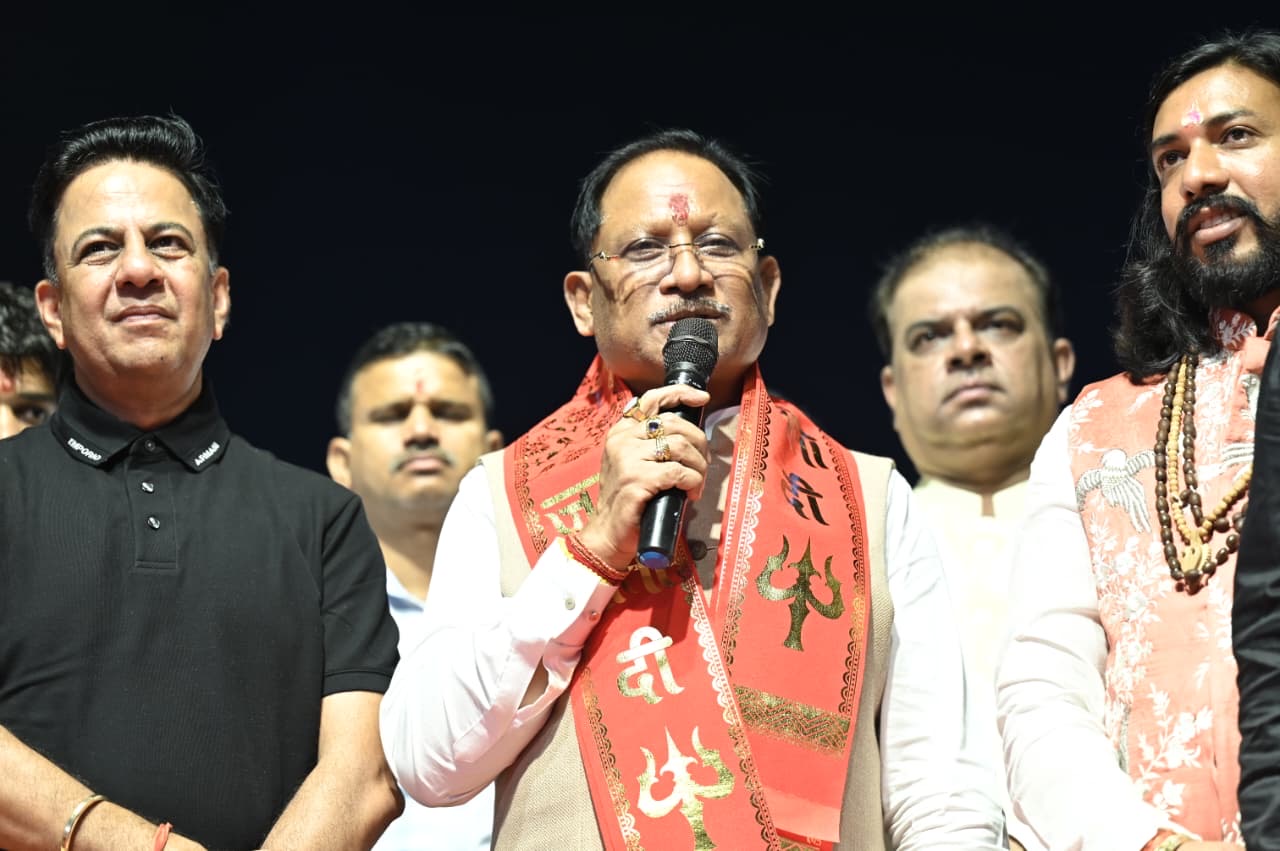
Addressing Garba and Navratri celebrations at various locations across Raipur, Sai said festivals celebrating the divine feminine also served as reminders of the need to respect women and create greater opportunities for their independence and advancement.
The Chief Minister extended Navratri greetings to the people of Chhattisgarh and visited the Maa Kali Temple at Kali Bari, where he offered prayers for the happiness and prosperity of the people.
He also attended the Shri Patidar Navratri Mahotsav organised by the Shri Kutch Kadva Patidar Samaj at the Mandi premises, a Garba celebration organised by the community in Bhanpuri, a Navratri Mahotsav hosted by the Shri Kutch Gurjar Kshatriya Samaj in Govardhan Nagar, and Dholida Raas Garba 2026 in Amlidih, among other events.
Sai said Navratri symbolised the power of the divine feminine and inspired courage, discipline, positivity and righteous conduct. The celebrations also strengthened cultural awareness, social harmony and community bonds, he added.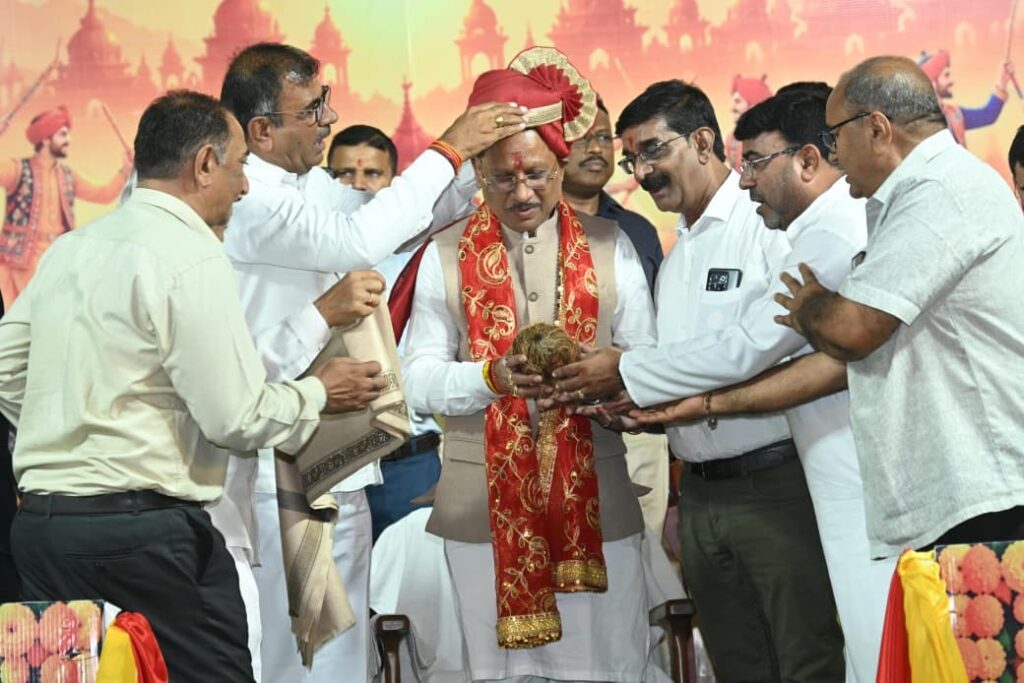
Mahtari Vandan scheme benefits nearly 68 lakh women
Highlighting the state government’s initiatives for women, Sai said nearly 68 lakh women were receiving financial assistance of ₹1,000 per month under the Mahtari Vandan Yojana, with the amount transferred directly into their bank accounts.
He said the scheme was intended not only to provide financial support but also to strengthen women’s confidence and independence in household decision-making.
According to the Chief Minister, beneficiaries use the assistance to meet household expenses, support their children’s education, address healthcare needs and build savings. Economic independence among women, he said, has a positive impact on entire families.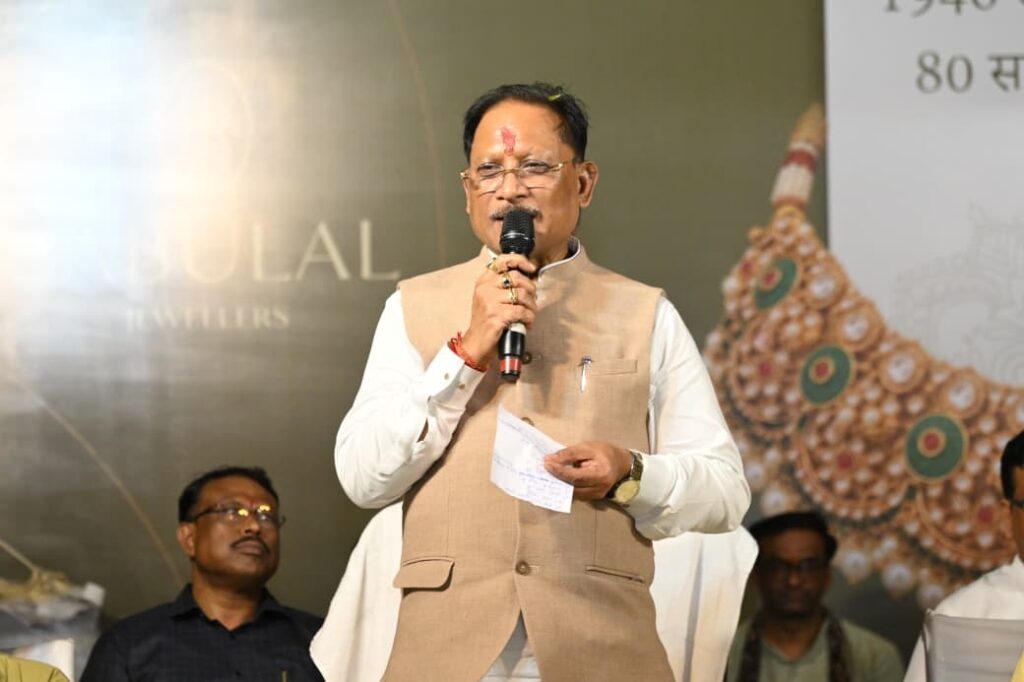
The government aims to ensure that women across Chhattisgarh have greater opportunities to participate in economic and social development, he added.
14 lakh women become Lakhpati Didis
Sai said 14 lakh women in the state had become Lakhpati Didis, reflecting the growing contribution of women to household incomes and local economies.
Women associated with self-help groups are pursuing various income-generating activities and entrepreneurship initiatives, helping strengthen their families and communities, he said.
The Chief Minister emphasised that expanding access to skill development, self-employment and livelihood opportunities was important for improving women’s economic independence. Greater financial security for women, he added, could also contribute to better education and healthcare for their children and broader social progress.
Garba brings communities together
Describing Garba as more than a dance form, Sai said it was an expression of devotion to Maa Durga and a celebration of India’s cultural diversity. Originating in Gujarat, the tradition has gained popularity across the country, bringing people together through shared celebrations.
He expressed happiness over the participation of women and girls in the events, saying their presence added to the enthusiasm and vibrancy of the festivities.
Festivals provide opportunities for people from different communities to interact and strengthen mutual respect, affection and brotherhood, he said. Chhattisgarh’s diverse communities have preserved their cultural identities while contributing to the state’s social and economic development.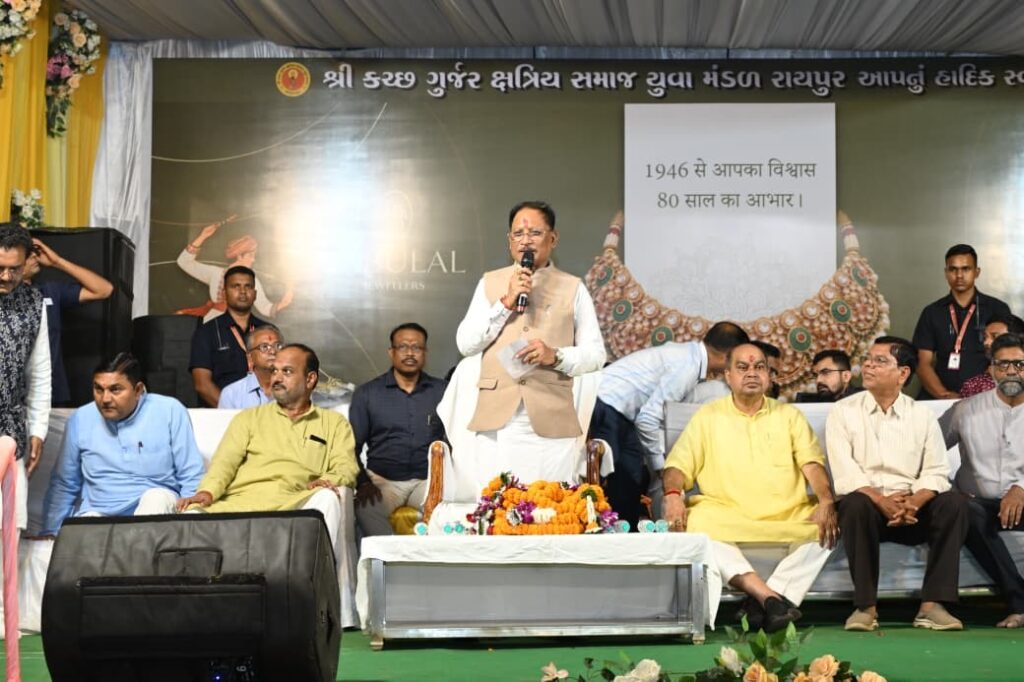
Shakti worship reflects Chhattisgarh’s cultural heritage
Sai described Chhattisgarh as the sacred land of Mata Kaushalya, with a long-standing tradition of worshipping the divine feminine. He referred to prominent religious centres dedicated to Maa Danteshwari in Dantewada, Maa Bamleshwari in Dongargarh, Maa Mahamaya in Ratanpur and Maa Chandrahansini in Chandrapur.
During Navratri, devotees across the state visit temples and light Jyoti Kalash lamps in villages and cities, reflecting the deep-rooted religious traditions of the region.
The Chief Minister said the state’s cultural identity was shaped by the close relationship between nature, spirituality, folk traditions and community life. Preserving this heritage and passing it on to younger generations was a shared responsibility, he added.
Development alongside heritage
Referring to Prime Minister Narendra Modi’s vision of ‘Vikas Bhi, Virasat Bhi’ (development alongside heritage), Sai said Chhattisgarh was working to pursue modern development while preserving its cultural and religious traditions.
The state government is also working to improve facilities for devotees at major religious destinations and strengthen their links with tourism and the state’s cultural identity, he said.
Sai added that celebrations such as Navratri and Garba helped connect younger generations with their cultural roots while promoting family values, social harmony and positive community engagement.
Praying for Maa Durga’s blessings, the Chief Minister expressed hope that the festival would bring happiness and prosperity to every household and help Chhattisgarh advance on the path of peace and development.
MLAs Purandar Mishra, Devji Bhai Patel and Jayanti Patel, Jagdish Patel, representatives of various communities, public representatives and a large number of citizens attended the celebrations.