Agriculture Department provides seeds and technical guidance for one-acre cultivation under crop diversification initiative
TFP Bureau, Raipur, October 18,2026: A farmer in Chhattisgarh’s Surguja district has turned to ragi (finger millet) cultivation instead of traditional paddy, with the state government encouraging crop diversification through technical support and financial incentives.
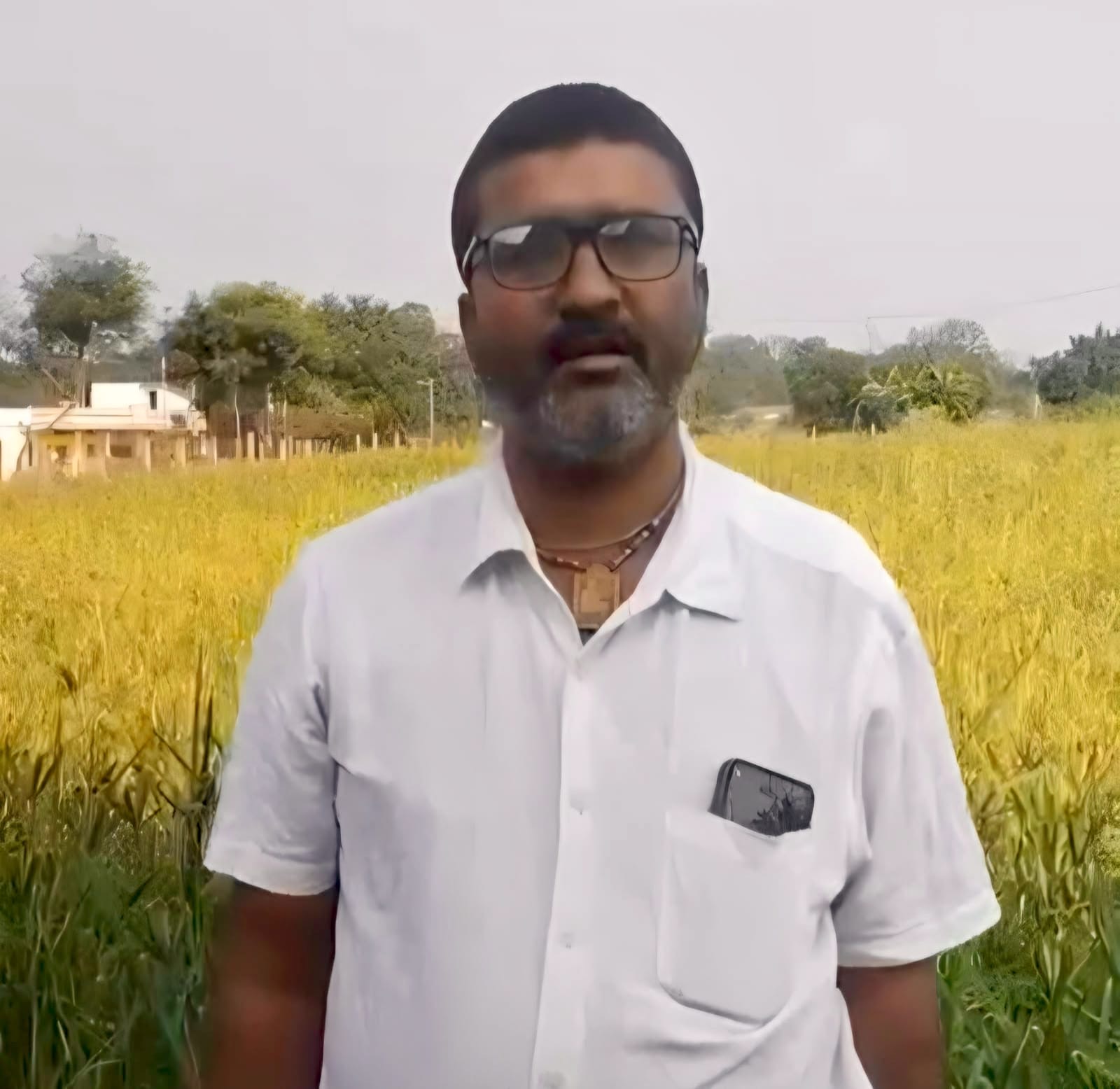
Dinesh Kumar Yadav, a farmer from Parsa village in Udaipur block, has cultivated ragi on one acre of land with seeds and technical guidance provided by the Agriculture Department. He is eligible to receive an incentive of ₹10,000 under the Krishak Unnati Yojana, subject to fulfilment of the scheme’s prescribed conditions.
Yadav received ragi seeds through the National Mission on Natural Farming and the National Food Security Mission. Following the advice of agriculture officials, he opted to cultivate the millet crop instead of paddy.
With regular technical guidance and proper crop management, the ragi crop has developed well, and most of it is now nearing harvest. The final yield and income from the cultivation will be assessed after harvesting.
Yadav said agriculture officials had informed him about the incentive available under the Krishak Unnati Yojana for cultivating eligible alternative crops in place of paddy. He has registered under the scheme and expects to receive ₹10,000 per acre after meeting the prescribed eligibility criteria.
Millet cultivation promotes crop diversification
The Agriculture Department is encouraging farmers to explore alternative crops alongside traditional paddy cultivation by providing seeds, technical assistance and information about government incentive schemes.
Ragi, a nutrient-rich millet, offers an option for diversifying agricultural production and may provide farmers with additional income opportunities, depending on crop yields, market prices and cultivation costs.
The initiative seeks to encourage farmers to consider alternative cropping patterns while reducing exclusive dependence on paddy. Yadav’s experience highlights how access to suitable seeds, technical guidance and financial incentives can support farmers exploring different crops.