House listing and housing census to be conducted across the state from May 1 to May 30; citizens encouraged to use self-enumeration portal
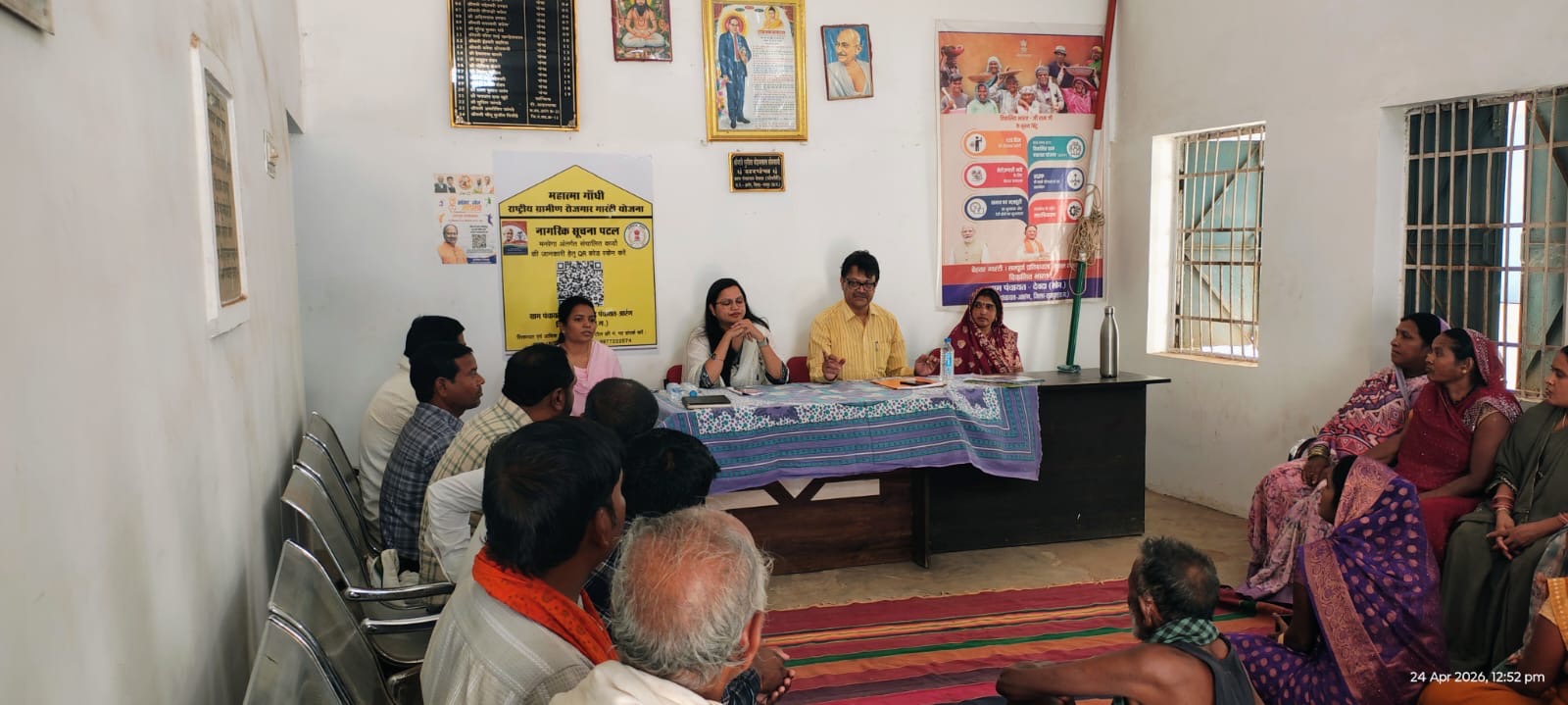
TFP Bureau, Raipur, April 25, 2026: Special Gram Sabhas were organised across several districts of Chhattisgarh on April 24 to create awareness among villagers about the upcoming Census 2027 and the newly introduced self-enumeration process aimed at improving public participation in the nationwide exercise.
The awareness campaign was conducted to encourage residents to cooperate with census officials, provide accurate information and make use of digital platforms to submit household details. Officials explained the procedure for entering personal and family information online through the official Census portal using mobile phones and other digital devices.
During the Gram Sabhas, tehsildars and designated village-level officers conducted live demonstrations of the online Census portal to guide villagers on how to fill out their details correctly. The initiative is intended to familiarise citizens with the digital self-enumeration system and ensure smooth implementation of the census process.
Officials highlighted that accurate data collected through the census would play a crucial role in shaping future development policies, improving administrative planning and ensuring better allocation of government resources.
Awareness Drives Held in Several Panchayats
Awareness programmes were conducted in multiple Gram Panchayats including Devda in Mandir Hasoud tehsil, Nahardih, Nimora and Khamtarai in Arang tehsil. The meetings also coincided with the observance of National Panchayati Raj Day in some villages.
During the village assemblies, residents were informed in detail about the purpose of the census, the process of data collection and the role of citizens in ensuring its successful completion. Villagers were encouraged to ask questions and clarify doubts regarding the census process.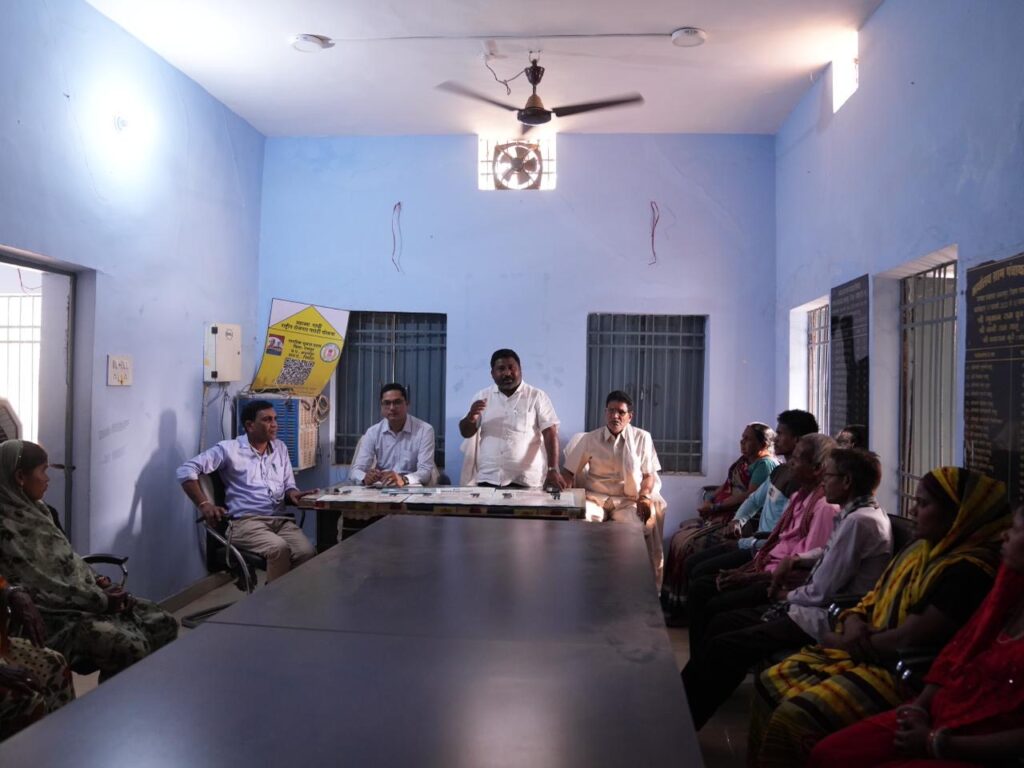
Officials emphasised that all information collected during the census would remain strictly confidential and would be used only for statistical and administrative purposes. The sessions were attended by local public representatives including Sarpanchs, Up-Sarpanchs, Panchayat Secretaries and villagers from the respective areas.
First Phase of Census to Begin in May
Under the nationwide Census 2027 programme being undertaken by the Government of India, the first phase—known as the House Listing and Housing Census—will be carried out in Chhattisgarh from May 1 to May 30, 2026.
During this phase, enumerators will collect detailed information about every residential and non-residential building across the state. This includes data regarding the condition and usage of houses as well as the availability of basic amenities.
Enumerators will visit each household during the designated period and will carry authorised identity cards to ensure authenticity. Citizens have been advised to verify the identity cards of enumerators before sharing information.
Digital Self-Enumeration Facility Introduced
In line with the Digital India initiative, the government has introduced a self-enumeration option for the first time to make the census process more convenient and technology-driven.
Under this system, citizens can voluntarily enter details of their families and households through an online portal between April 16 and April 30, 2026. The facility allows families to complete the process independently using smartphones or computers.
After completing the online process, families will receive a unique Self-Enumeration ID. Officials have advised residents to preserve this ID carefully, as it must be shown to census enumerators when they visit the household.
Information to be Collected During the Survey
The House Listing and Housing Census will gather comprehensive data on several aspects related to housing and basic amenities. Enumerators will collect information regarding:
- Number and type of buildings and houses
- Usage of buildings (residential, commercial or other purposes)
- Nature of construction such as permanent, semi-permanent or temporary structures
- Number of households residing in each building
- Availability of essential amenities such as drinking water, toilets and electricity
- Type of cooking fuel or gas used in households
- Internet connectivity and communication facilities
Officials stated that such data would help the government assess the real status of housing and infrastructure across rural and urban areas.
Data to Guide Future Development Policies
Authorities emphasised that the census is the most comprehensive administrative exercise conducted in the country and plays a vital role in policymaking.
The data collected through the exercise will assist governments in formulating socio-economic programmes, urban and rural development strategies, housing schemes, sanitation initiatives and infrastructure projects. It also helps planners understand population distribution and assess the availability of basic services.
Residents have been urged to cooperate fully with census officials and provide accurate information to ensure that the data collected reflects the true socio-economic conditions of communities across the state.