CTE team inspects roads, water supply and irrigation works; officials say improved security has accelerated development in remote tribal areas
TFP Bureau, Raipur, April 25, 2026: With security conditions improving in the once Maoist-affected interiors of Bastar, infrastructure development activities have gathered significant pace in the Naxal-free Abujhmad region, bringing long-awaited basic amenities closer to tribal communities.
Officials said that construction works related to roads, drainage systems, overhead water tanks, irrigation structures and other essential facilities are progressing rapidly across several villages in Narayanpur district and adjoining areas. The renewed momentum has been attributed to better accessibility, improved administrative reach and enhanced coordination between departments.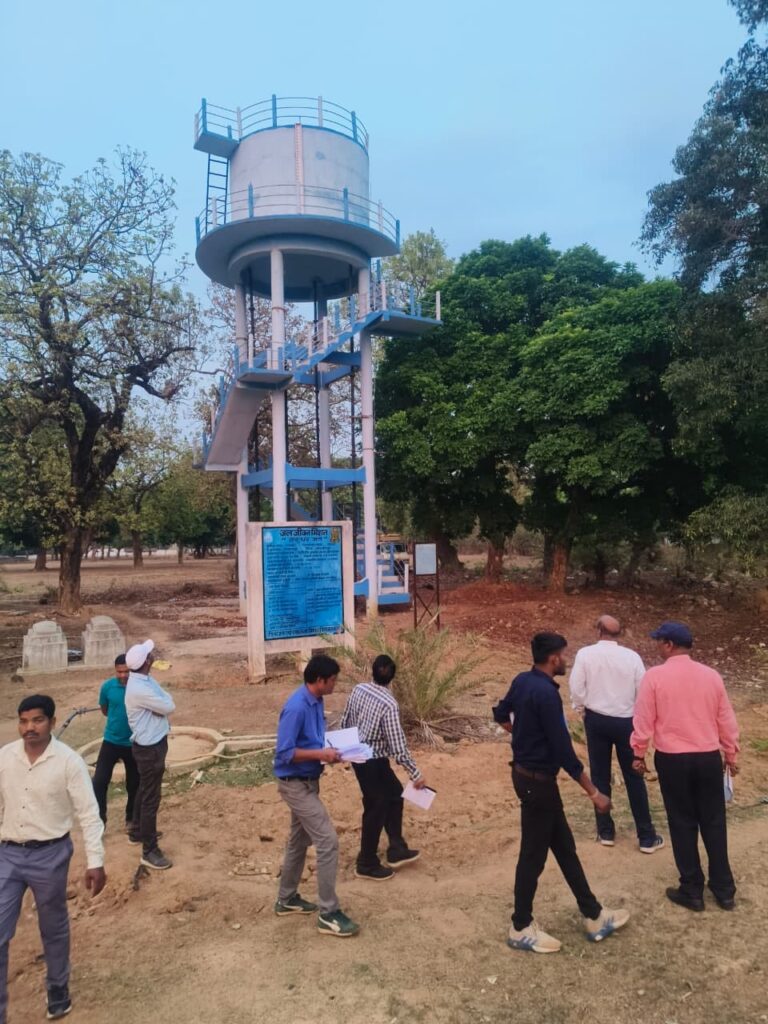
A team from the Central Technical Examination (CTE) wing recently conducted inspections of ongoing projects in the remote Abujhmad region to assess the quality and pace of construction. The inspection covered multiple sites, including road infrastructure, water supply systems and irrigation projects.
Road Infrastructure Meets Standards
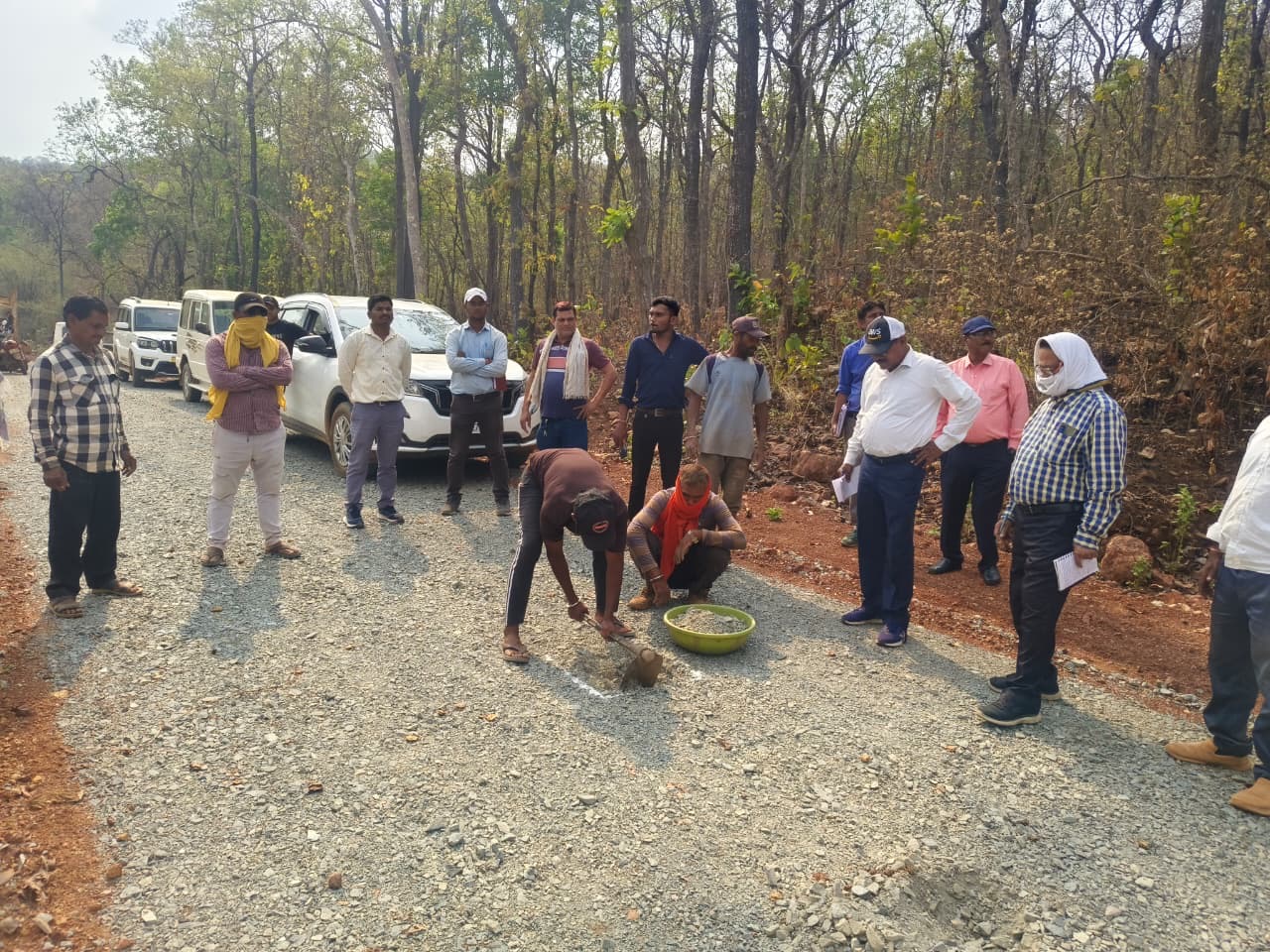
During their visit, the CTE team inspected road construction work at Harimarkatola in Narayanpur district. According to officials present at the site, the team examined the thickness, width and overall quality of the road and found it to be in accordance with prescribed technical standards and specifications.
Improved road connectivity is expected to significantly benefit local residents by facilitating access to markets, healthcare centres, educational institutions and government services. For years, the difficult terrain and security concerns had hindered infrastructure expansion in the region.
Focus on Public Utilities in Remote Areas
The inspection team also visited a newly constructed community shed in the remote Orchha block. Such facilities are expected to serve as multipurpose spaces for community gatherings, local meetings and social events.
In Palki village, officials reviewed the construction of an overhead water tank designed to improve access to safe drinking water. The project is aimed at ensuring regular water supply to households in the area, reducing dependence on traditional water sources and enhancing overall public health standards.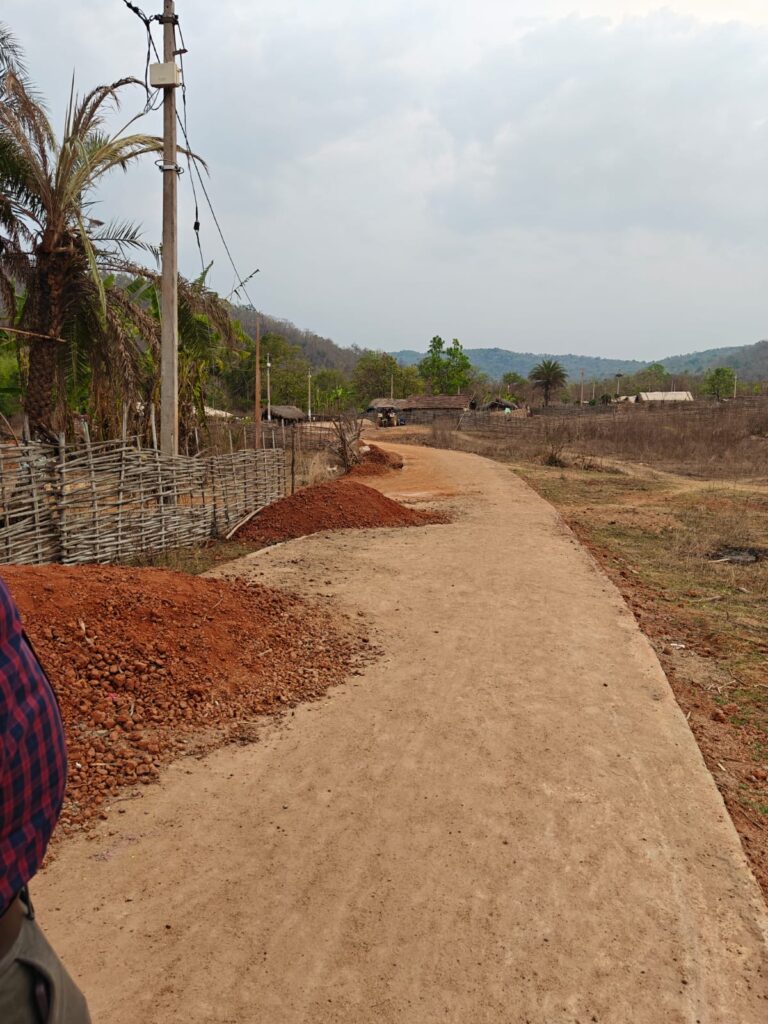
Additionally, the team examined renovation work underway at the Bainur Reservoir, being carried out by the Water Resources Department. The reservoir upgrade is intended to strengthen irrigation facilities and support agricultural activities in surrounding villages, thereby improving livelihoods in the predominantly tribal region.
Detailed Review and Technical Guidance
During the inspections, the CTE officials sought detailed information from engineers and field-level officers supervising the projects. Discussions focused on adherence to quality standards, timely completion of works and optimal utilisation of allocated funds.
The technical team provided necessary guidance to ensure that construction activities are executed efficiently and in compliance with established norms. Officials said such periodic inspections help maintain transparency, accountability and quality control in public infrastructure projects.
Improved Access Boosts Monitoring and Development
Authorities noted that the improved security situation in the Naxal-free areas of Bastar has enabled inspection teams and administrative officials to access previously inaccessible sites with greater ease. Regular monitoring has strengthened implementation mechanisms and enhanced coordination between departments.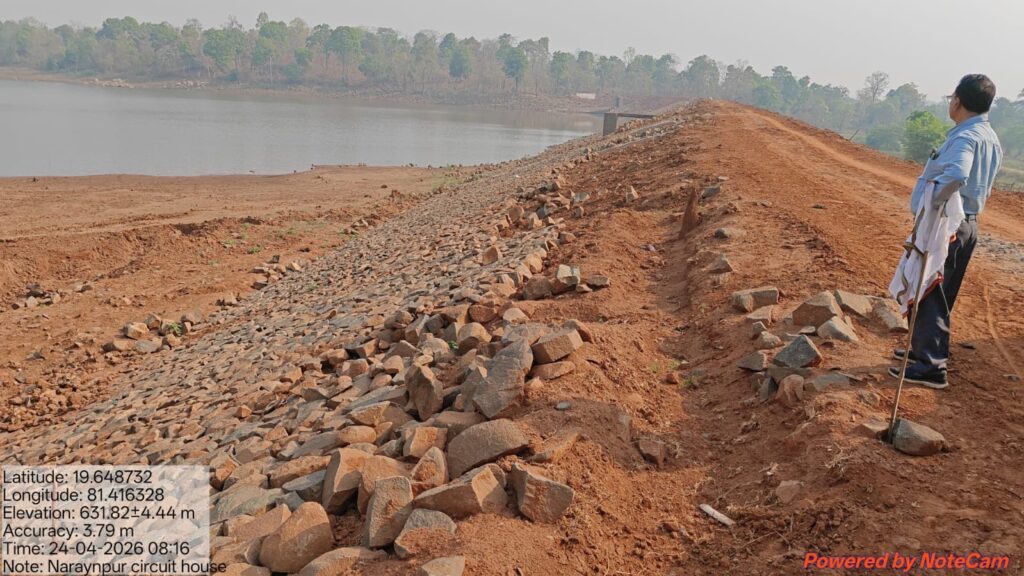
Local officials said that the accelerated pace of construction reflects the government’s commitment to extending development benefits to remote Scheduled Tribe regions. The expansion of infrastructure is expected to create new economic opportunities, strengthen service delivery and improve living standards for residents.
With roads, water supply systems and irrigation projects steadily progressing, Abujhmad—once known primarily for security challenges—is now witnessing a visible transformation driven by development initiatives. Officials expressed confidence that sustained monitoring and technical supervision would ensure durable and high-quality infrastructure for the region’s long-term growth.