
Prime Minister Narendra Modi Praises Conservation Success in ‘Mann Ki Baat’; Population of the Endangered Antelope Rises to Nearly 200 After Decades of Local Extinction
TFP Bureau, Raipur, April 26,2026: Barnawapara Wildlife Sanctuary has emerged as a remarkable example of wildlife conservation after the population of the endangered Blackbuck rebounded to nearly 200 animals, marking a significant ecological turnaround in the region. The success of the conservation programme received national recognition when Prime Minister Narendra Modi praised the initiative during the 133rd episode of his monthly radio programme Mann Ki Baat on Sunday.
Responding to the Prime Minister’s appreciation, Chhattisgarh Chief Minister Vishnu Deo Sai described the recognition as a moment of pride for the state and a morale booster for forest officials, conservationists and local communities working on wildlife protection. The Chief Minister listened to the broadcast at Vinayak City in Bhatagaon, Raipur, along with citizens and officials.
Spanning around 245 square kilometres in the Balodabazar-Bhatapara district of Chhattisgarh, Barnawapara Wildlife Sanctuary has transformed into an important centre for blackbuck conservation. Once facing the near disappearance of its iconic species, the sanctuary has now turned into a thriving habitat for the graceful antelope.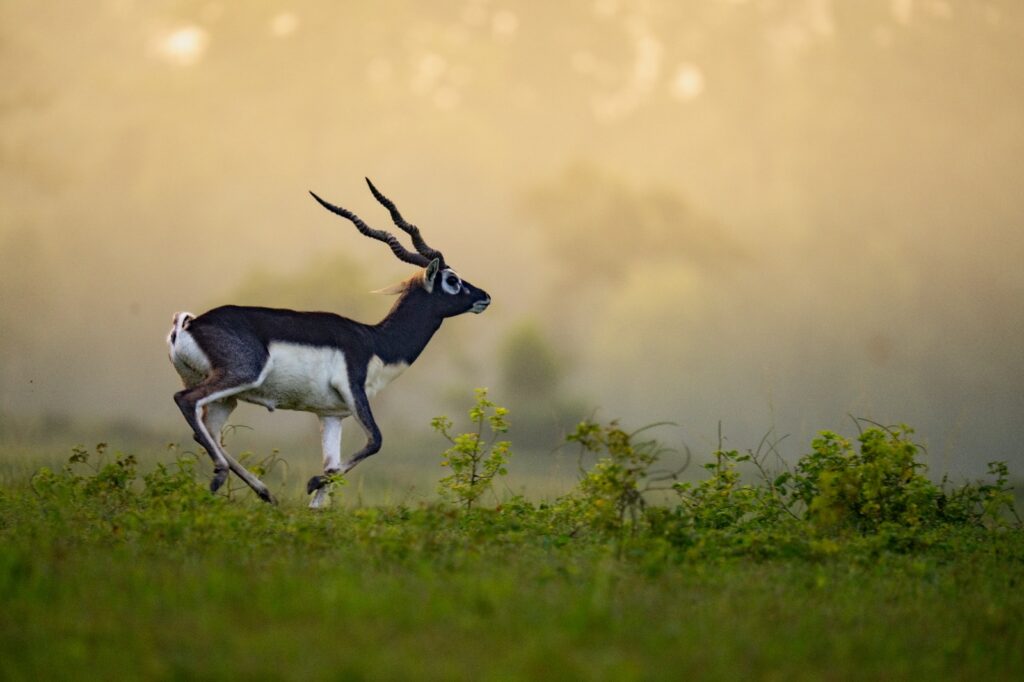
From Local Extinction to Conservation Success
Forest officials noted that the sanctuary had almost lost its population of blackbucks by the 1970s due to habitat degradation, encroachment and increasing human activity in surrounding areas. For nearly five decades, the species remained locally extinct in the region, raising concerns among wildlife experts about the long-term survival of the animal in central India.
The revival effort began after a reintroduction proposal was approved during the ninth meeting of the State Wildlife Board in April 2018. Following this approval, the forest department initiated a carefully designed reintroduction programme involving scientific planning, habitat restoration and continuous monitoring of the species.
Under the programme, blackbucks were gradually reintroduced into specially prepared enclosures within the sanctuary. Wildlife managers ensured the animals received adequate nutrition, veterinary care and protection from environmental stress during the early stages of adaptation.
Overcoming Early Challenges
The conservation effort was not without difficulties. In the initial phase, forest authorities reported the deaths of several animals due to pneumonia, highlighting the challenges associated with wildlife reintroduction. In response, officials implemented several improvements in the management system.
Measures included laying a sand layer inside enclosures to create firm ground surfaces, constructing proper drainage systems to prevent waterlogging, strengthening sanitation and waste management practices, and appointing a dedicated veterinarian to monitor the health of the animals.
These interventions helped stabilise the blackbuck population and significantly reduced mortality rates. Continuous health monitoring and improved habitat management gradually allowed the population to grow.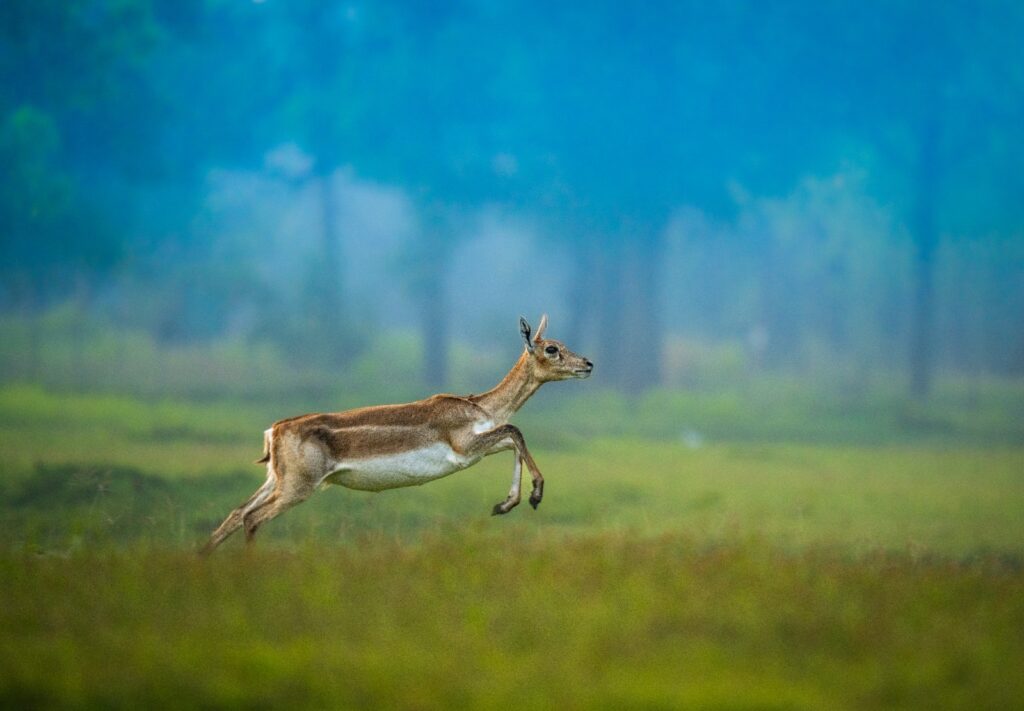
Population Reaches Nearly 200
Thanks to sustained conservation efforts, the population of blackbucks in Barnawapara has now increased to around 200 animals. Wildlife experts say the growing numbers indicate that the animals have successfully adapted to the sanctuary’s grassland ecosystem.
Officials believe that the success of this programme could eventually pave the way for the species to be released into larger open landscapes within the sanctuary in the future. The thriving population is also expected to contribute to the restoration of grassland biodiversity in the region.
The presence of blackbucks roaming across Barnawapara’s open grasslands has become a symbol of ecological revival. Conservationists say the sanctuary’s experience demonstrates that species once lost from a region can be successfully restored through sustained scientific management and policy support.
About the Blackbuck
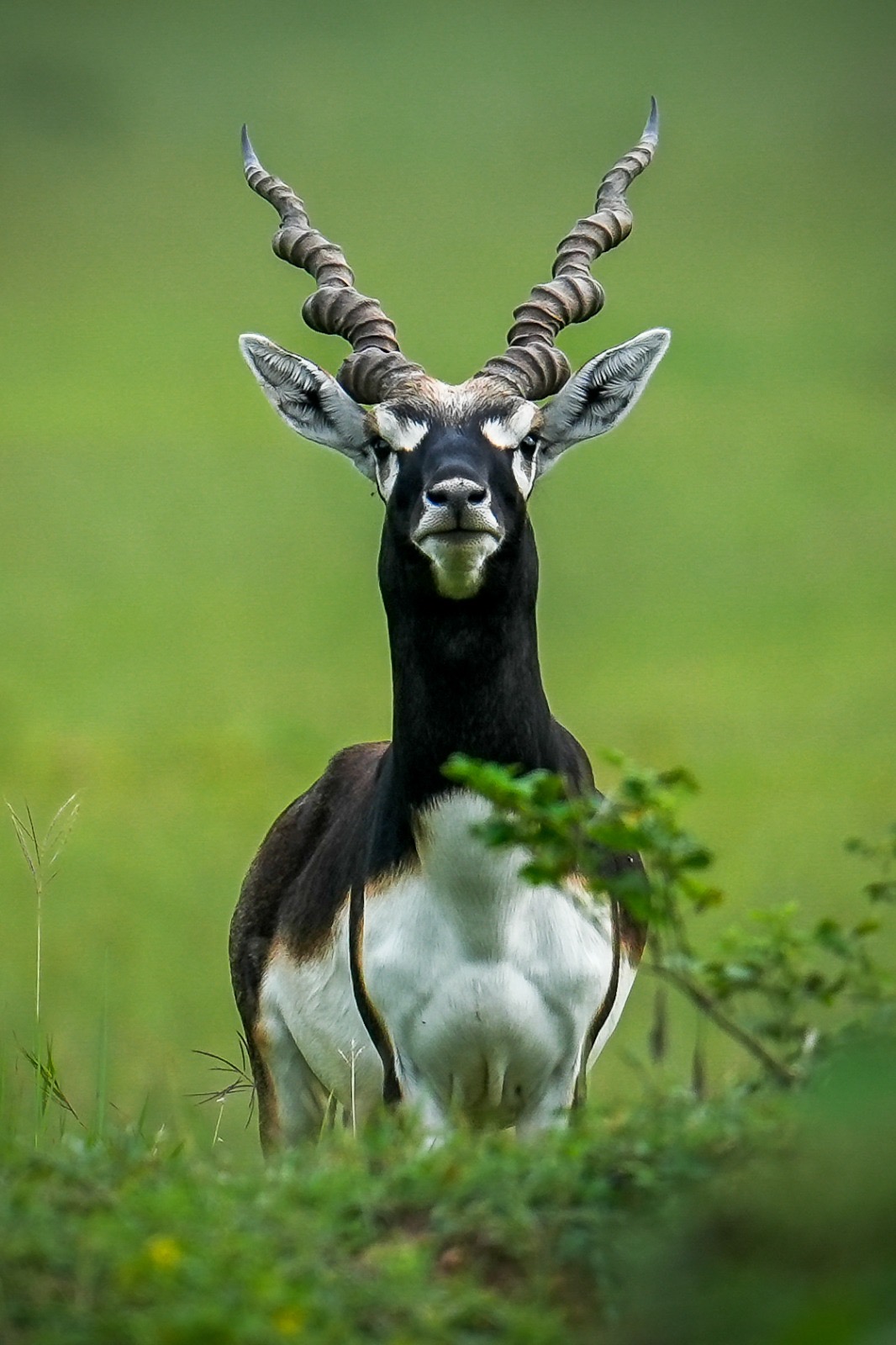
The Blackbuck is one of the most striking antelope species native to the Indian subcontinent. Male blackbucks are known for their dark brown to almost black upper bodies, contrasted with white underparts and long spiral horns that can grow up to about 75 centimetres. Female blackbucks are generally light brown in colour and usually do not possess horns.
The species primarily inhabits open grasslands and semi-arid plains, where it feeds on grasses, herbs and small plants. Adult males typically weigh between 20 and 57 kilograms, while females weigh between 20 and 33 kilograms. Standing roughly 74 to 84 centimetres tall, the blackbuck is well adapted to swift running, enabling it to evade predators in open habitats.
Wildlife experts consider the revival of the species at Barnawapara a significant conservation achievement, demonstrating how coordinated efforts by forest departments, scientists and policymakers can help restore endangered wildlife populations and protect India’s rich natural heritage.


