The blood flowing in your veins could rekindle the fading light in someone’s home—step forward and become a life-saver.
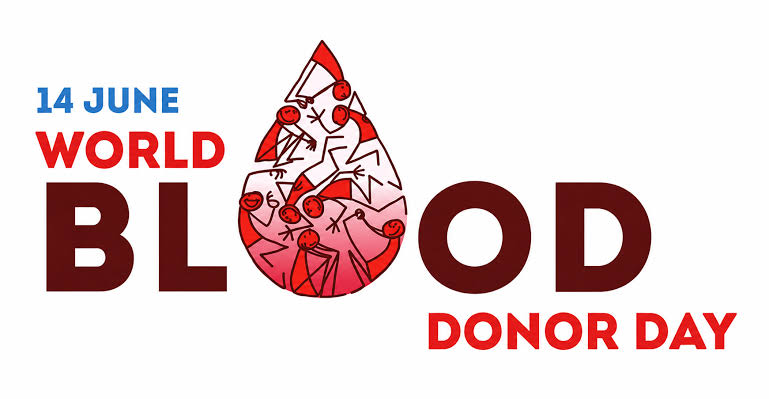
Raipur, June 14: Blood donation is often described as the highest form of charity, and for good reason. Unlike donations of money or material possessions, donating blood provides something that cannot be manufactured or replaced—the gift of life itself. On the occasion of World Blood Donor Day, observed annually on June 14, medical professionals and social organizations are encouraging people to donate blood and inspire others to do the same.
Every year, thousands of patients battling life-threatening conditions depend on voluntary blood donors. Victims of road accidents, individuals undergoing major surgeries, children with thalassemia, cancer patients receiving chemotherapy, and women experiencing severe bleeding during childbirth all rely on timely blood transfusions to survive.
Despite remarkable advances in medical science, researchers have not been able to create artificial blood. Human blood remains irreplaceable, making voluntary blood donation an essential pillar of healthcare systems worldwide.
One blood donation, typically ranging from 350 to 450 millilitres, can potentially save up to three lives. At blood banks, the donated blood is separated into key components—red blood cells, plasma, and platelets. Red blood cells are used to treat severe blood loss and anaemia, plasma benefits burn victims and patients with liver disorders, while platelets are crucial for those suffering from dengue, cancer, or undergoing chemotherapy.
Medical experts also highlight several health benefits for donors. Regular blood donation helps maintain balanced iron levels, which may reduce the risk of blood clots and heart-related complications. Controlled iron stores have also been associated with a lower risk of certain cancers, including liver, lung, and colon cancer. Additionally, the body replenishes lost fluids within about 48 hours and gradually produces fresh blood cells, often leaving donors with a renewed sense of vitality.
Before every donation, volunteers receive a basic health assessment that includes checks for haemoglobin levels, blood pressure, pulse, and body weight. Donated blood is also screened for infectious diseases such as HIV, Hepatitis B, Hepatitis C, and malaria, contributing to safer transfusions and increased public health awareness.
Experts stress that the need for blood is constant and often urgent. Emergency trauma cases, chronic illnesses such as thalassemia and haemophilia, organ transplants, heart surgeries, and childbirth-related complications require a steady supply of safe blood throughout the year.
As communities mark World Blood Donor Day, the message remains clear: blood donation transcends religion, caste, colour, and social status. It is a profound expression of humanity and compassion. By donating blood, an individual not only offers hope to strangers but also helps keep families together during their most difficult moments.
With just one simple act, ordinary citizens have the power to become silent heroes—proving that a small contribution can make the difference between life and death.