₹4,000-Crore Rural Employment Scheme, Atal Livelihood Haat Network and Compressed Biogas Policy Approved to Boost Village Economy and Sustainable Development
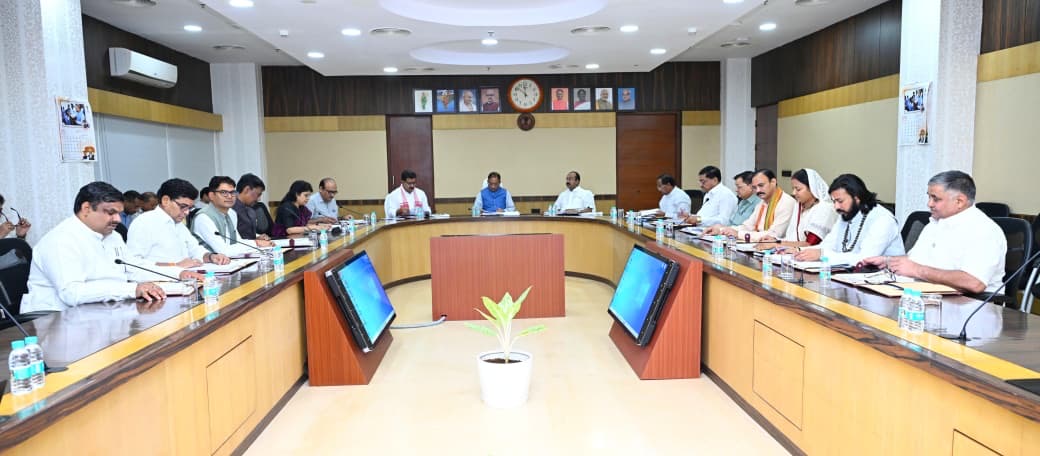
TFP Bureau, Raipur, June 23,2026: In a major push towards rural development, employment generation and sustainable growth, the Chhattisgarh Cabinet on Tuesday approved a series of key initiatives aimed at strengthening livelihoods, creating rural infrastructure and promoting green energy. The decisions were taken at a Cabinet meeting chaired by Chief Minister Shri Vishnu Deo Sai at Mantralaya (Mahanadi Bhawan) in Raipur.
Among the most significant decisions was the approval of the draft “Viksit Bharat – Guarantee for Rozgar & Aajeevika Mission (Gramin): VB-G RAM G Yojana, Chhattisgarh.” Designed to promote employment, empowerment, convergence of government schemes and digital governance in rural areas, the scheme provides a statutory guarantee of 125 days of unskilled wage employment annually to eligible adult members of rural households.
To be implemented in line with the Government of India Act, 2025, the programme will support water conservation, natural resource management, creation of rural infrastructure, development of livelihood assets and sustainable employment opportunities across villages. The scheme will also encourage integrated Gram Panchayat-based development and convergence with departmental programmes and the PM Gati Shakti initiative.
The government said modern technology and digital systems will be deployed for planning, monitoring and implementation of development works, ensuring greater transparency, accountability and good governance. The expenditure under the scheme will be shared by the Centre and the State in a 60:40 ratio, with the State Budget for 2026-27 earmarking ₹4,000 crore for its implementation.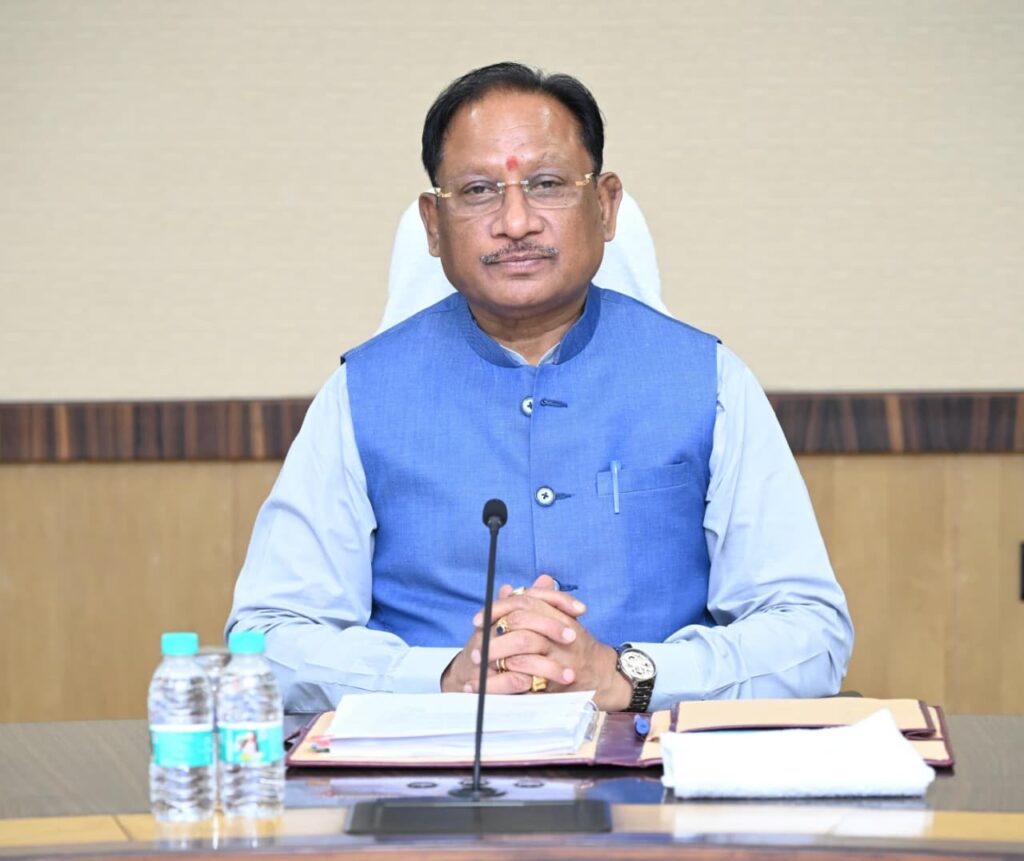
In another major decision, the Cabinet approved the launch of the “Atal Aajeevika Samriddhi Haat” scheme to generate local employment opportunities and strengthen the rural economy. Under the initiative, rural production centres for handloom, weaving, tailoring and handicrafts will be established alongside processing units for pulses, oilseeds, rice milling and dairy activities.
The scheme also envisages service centres equipped with cold storage facilities, solar dryers, agricultural equipment repair units and Atal Digital Centres, along with marketing and supply centres to support rural enterprises. Officials said the initiative would ensure optimal utilisation of existing infrastructure and machinery while promoting local production, processing, service delivery and marketing activities.
The government expects the programme to create new opportunities for employment and self-employment in villages and improve market access for locally produced goods. The Chhattisgarh State Rural Livelihood Mission has been designated as the nodal agency, while the Panchayat and Rural Development Department will oversee implementation. The initiative is expected to provide fresh momentum to agriculture, food processing, service enterprises, digital technology, green energy and rural markets.
The Cabinet also approved the draft “Chhattisgarh Compressed Biogas Policy (CG-CBG Policy), 2026,” aimed at scientific management of agricultural residue, municipal solid waste, livestock waste and other organic resources available in the State. The policy seeks to convert such waste into clean gaseous fuel in the form of compressed biogas (CBG).
The policy is expected to strengthen waste management practices, support environmental conservation, reduce greenhouse gas emissions, boost bio-fertiliser production and contribute to rural economic growth. According to the government, Chhattisgarh has the potential to produce nearly five lakh tonnes of compressed biogas annually, in line with the State’s Anjor Vision 2047.
For implementation of the policy, the Chhattisgarh Biofuel Development Authority has been designated as the nodal agency, while the Energy Department has been authorised to issue the necessary guidelines and administrative orders.
The Cabinet’s decisions are expected to significantly enhance employment opportunities, strengthen rural livelihoods and accelerate the State’s transition towards a more sustainable and self-reliant economy.