Improved connectivity, homestays and promotion of tribal culture are expanding opportunities for local employment and entrepreneurship
TFP Bureau, Raipur, September 23, 2026: Bastar is seeking to expand its tourism economy by combining its natural landscapes and tribal cultural heritage with improved connectivity, homestays and opportunities for local entrepreneurship.
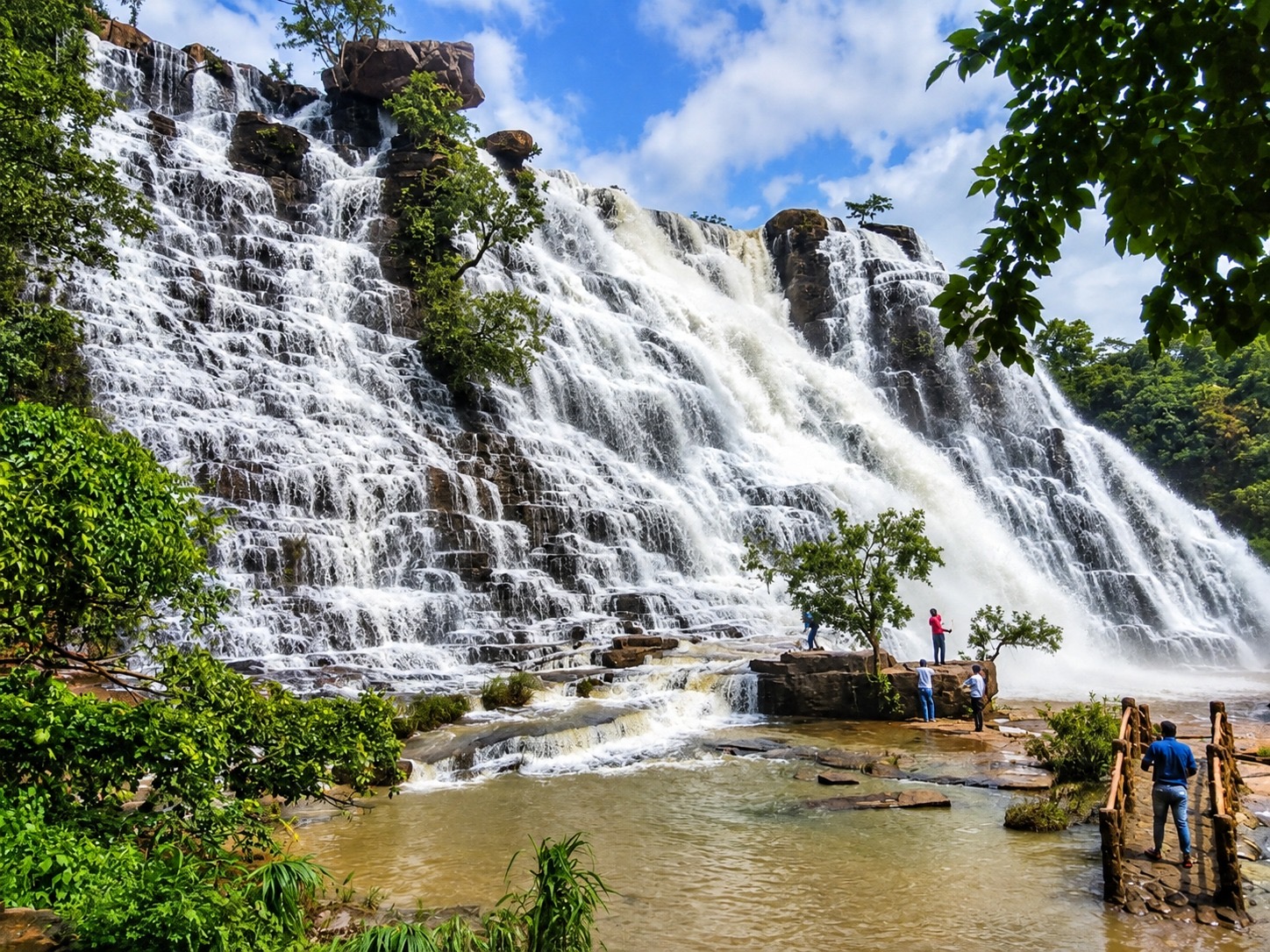
The region, which has long faced the impact of Left-wing extremism, is increasingly being promoted as a destination for nature, cultural, rural and adventure tourism. Chitrakote and Tirathgarh waterfalls, Kanger Valley National Park, Kutumsar and Kailash caves, Maa Danteshwari Temple, Dalpat Sagar and Bastar Palace are among the major attractions.
Tourism activities are also being linked with local food, handicrafts, folk music and dance and traditional lifestyles, with the aim of offering visitors experiences beyond conventional sightseeing.
Connectivity is emerging as an important component of the tourism development plan. Under the proposed ‘Bastar 2.0’ blueprint, 228 roads and 267 bridges have been proposed to improve access to remote areas.
Maa Danteshwari Airport at Jagdalpur currently provides air connectivity to Raipur and Hyderabad. The proposed Raoghat-Jagdalpur rail line is also expected to improve connectivity in the region if implemented. Better road, air and rail links could also help local producers access markets and create opportunities for tourism-related services.
Homestays are another component of the emerging tourism model. Under the Chhattisgarh Homestay Policy 2025-30, local families are being encouraged to offer visitors accommodation and an opportunity to experience rural and tribal life, traditional cuisine, handicrafts and local cultural practices.
The model could provide income not only through accommodation but also through associated services such as food, local guides, transport, handicrafts and cultural programmes. The policy provides financial assistance of ₹1 lakh per room for new construction and ₹50,000 per room for renovation of existing rooms, with support available for properties having one to nine rooms.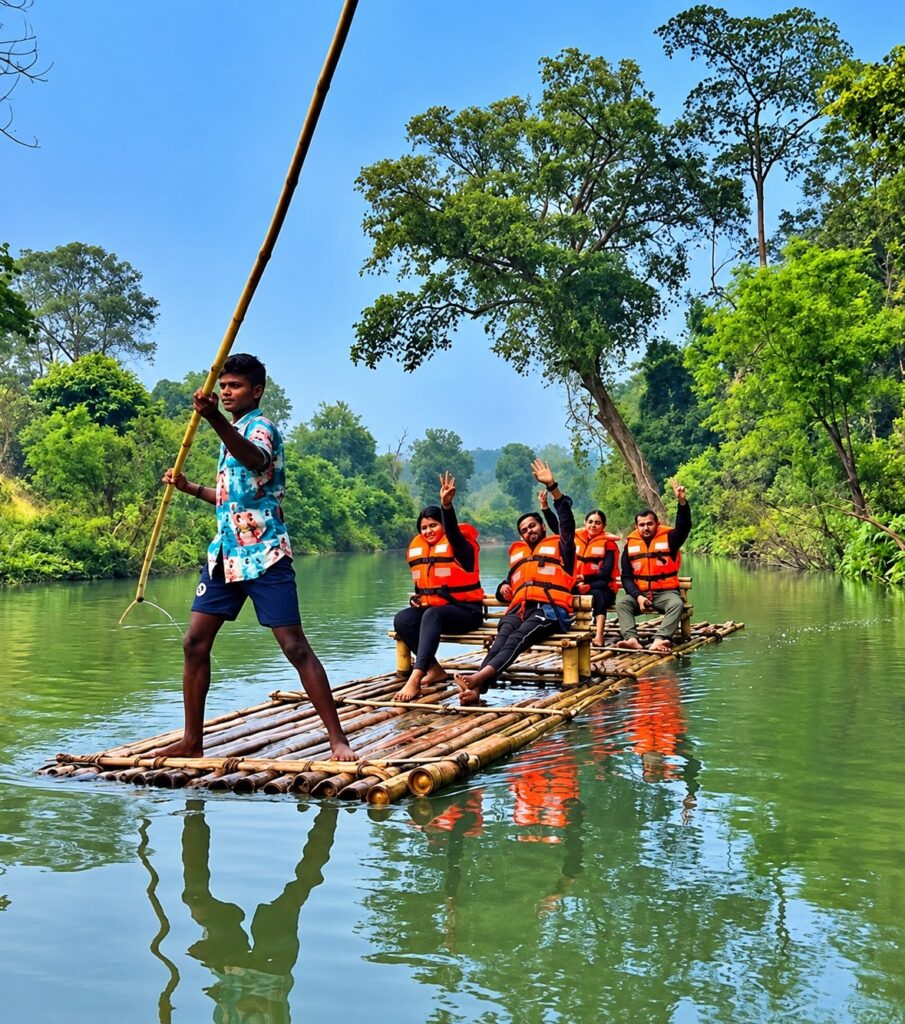
According to the information released by the State government, proposals for grants for 85 beneficiaries have been forwarded to banks, while 27 homestays have been registered with the Chhattisgarh Tourism Board.
Bastar’s traditional arts and culture remain central to its tourism potential. Bell-metal and other metal crafts, wood and bamboo work, traditional jewellery, dance, music and cuisine are among the cultural attractions being promoted.
The ‘Bastar Pandum’ festival has provided another platform for showcasing the region’s tribal traditions. The 2026 edition featured 12 forms of tribal culture and drew around 55,000 participants, according to the government. The event was held in the presence of President Droupadi Murmu.
The region also offers opportunities in religious and adventure tourism. Maa Danteshwari Temple and Bastar Dussehra are major attractions, while Kanger Valley and Dhudmaras are being developed for nature and adventure-based tourism.
Plans for facilities such as a glass bridge and canopy walk at Dhudmaras are part of efforts to expand adventure tourism. The village has also been selected under the United Nations Tourism ‘Best Tourism Village Development Programme’, according to the State government.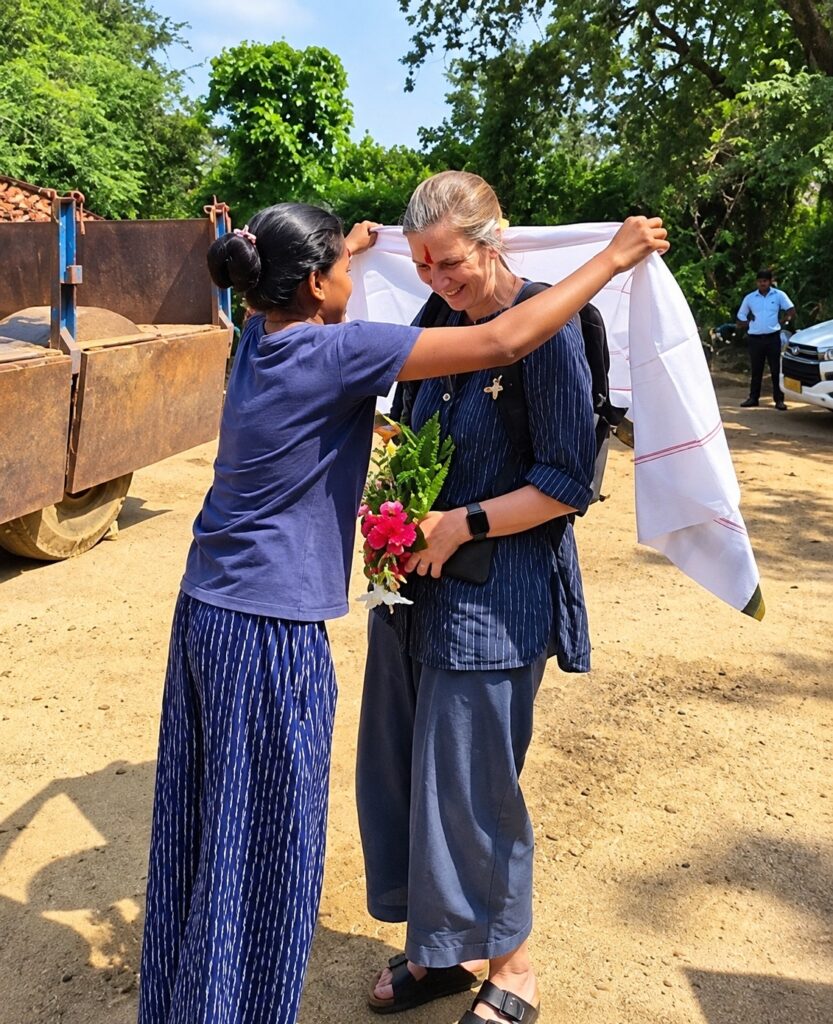
The focus on tourism is also creating opportunities for local workers and entrepreneurs. Homestay operators, guides, drivers, food providers, handicraft sellers, cultural performers and young people involved in adventure activities are becoming part of the tourism ecosystem.
Under the tourism roadmap for Bastar, 45 youths have received training in tourism management, according to the government. The training is intended to link the expansion of tourism with local skills and employment.
The emerging tourism model in Bastar seeks to combine economic opportunities with the preservation of its natural environment and cultural heritage. Improved connectivity, village-based accommodation and greater promotion of local traditions are being positioned as ways to ensure that tourism generates benefits for communities while strengthening Bastar’s presence on the State’s tourism map.