
Exposure to modern technology and field practices aims to strengthen future forest and wildlife management
TFP Bureau, Raipur, January 30, 2026: Trainee officers of the Indian Forest Service (IFS) were imparted practical, field-level training in modern forest management and wildlife conservation techniques during a special programme organised at the Barnawapara Wildlife Sanctuary. The training focused on the application of advanced technologies, IT-based forest management systems and contemporary conservation practices, providing the future forest officers with firsthand exposure to tools and processes used in the field.
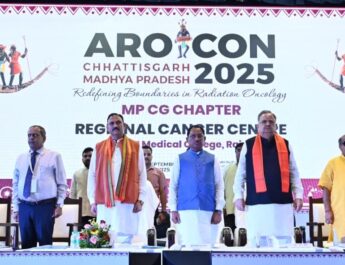
Forest and Climate Change Minister Shri Kedar Kashyap addressed the trainee officers and urged them to continuously upgrade their skills by adopting modern technologies for effective protection and conservation of Chhattisgarh’s rich forest resources. He emphasised that scientific management and technological innovation are essential for addressing emerging challenges in forest and wildlife conservation, and extended his best wishes to the trainee officers for their future careers in the All India Forest Service.
As part of the programme, Chief Conservator of Forests (Wildlife) and Regional Director Smt. Stovisha Samajhdar delivered a detailed presentation on Differential Global Positioning System (DGPS) technology. She explained the functioning, utility and importance of DGPS in forest surveying, boundary demarcation and resource management. Highlighting its role in accurate data collection, she noted that DGPS-based surveys are crucial for long-term conservation planning, monitoring forest land and ensuring transparency in forest management.
.2092efe4-18a0-4c94-a155-92aec11d5d7f
In another technical session, Shri Varun Jain, Deputy Director of the Udanti-Sitanadi Tiger Reserve, introduced the trainee officers to the “Gaj Sanket” mobile application. He explained that the app is an effective digital tool for monitoring elephant movement, managing human-elephant conflict and enabling quick information sharing among field staff. The officers were familiarised with the app’s practical use, including data entry, real-time tracking and field-level management applications.
Concluding the programme, Divisional Forest Officer, Balodabazar, Shri Dhammasheel Ganveer, underlined the importance of such technical and field-based training for future forest service officers. He stated that the integration of modern technology, digital tools and scientific methods can significantly enhance the effectiveness of forest and wildlife conservation efforts and enable better decision-making at the ground level.
Superintendent of Barnawapara Wildlife Sanctuary, Shri Krishanu Chandrakar, briefed the trainee officers on the sanctuary’s geographical features, ecological significance and ongoing conservation initiatives. The trainees were also taken on a field visit to key sites within the sanctuary, including the wild buffalo conservation centre, the blackbuck relocation and conservation centre, and grassland development areas, providing them with practical insights into on-ground conservation work.