Focus on Education, Healthcare, Sports, Solar Energy and Community Development Improves Living Standards Across Nearly Two Dozen Villages
TFP Bureau, Korba, May 23, 2026: Significant improvements in rural infrastructure and public amenities are being witnessed across several villages of Korba district in Chhattisgarh following a series of development initiatives undertaken by the Adani Power Limited through the Adani Foundation under its Corporate Social Responsibility (CSR) programme during the financial year 2025-26.
The initiatives, focused on key sectors such as education, healthcare, sports, solar energy, sanitation, and community infrastructure, have positively impacted thousands of residents living in nearly two dozen villages and 18 Gram Panchayats, including Pathadi, Sargabundiya, Khoddal, Dhandhani, Urga and surrounding areas.
Expansion of Education and Sports Infrastructure
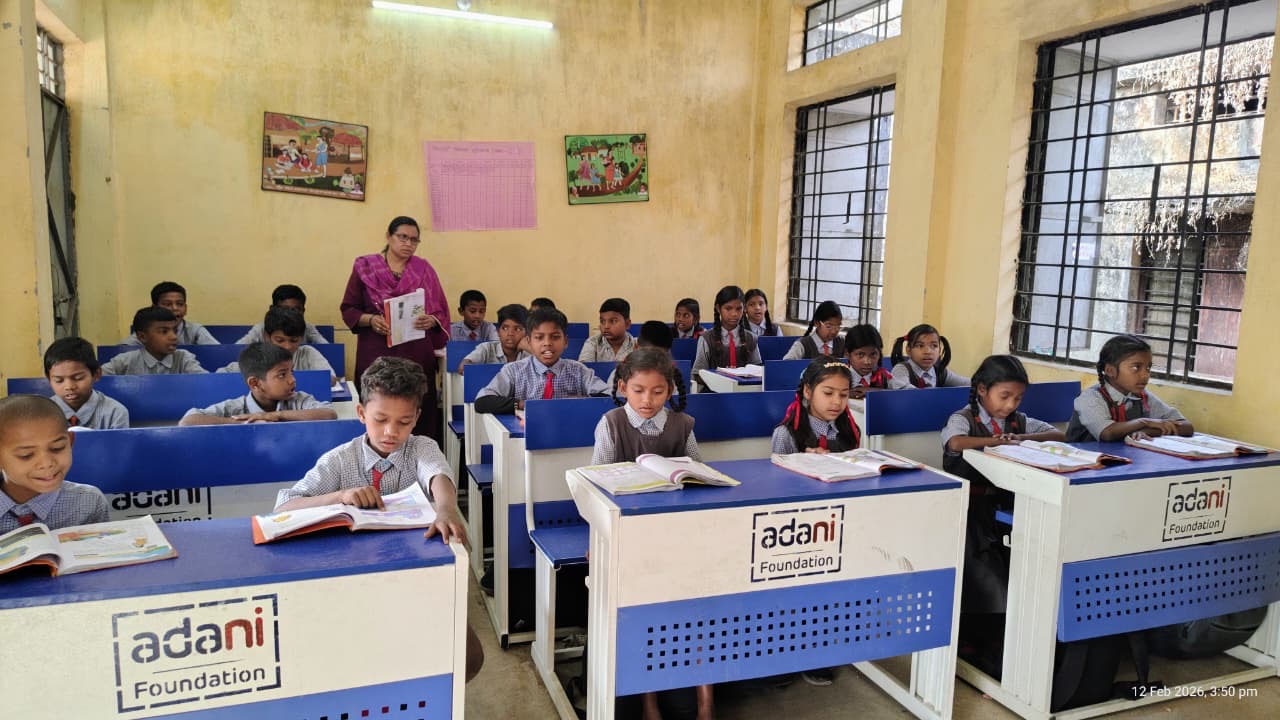
According to information released by the Foundation, strengthening educational infrastructure remained one of the major priorities in rural areas during the year. As part of this initiative, around 4,200 school kits containing school bags, notebooks and geometry boxes were distributed among students studying in 48 government schools across 24 villages.
Separate toilet facilities for boys and girls were also constructed in government schools located in three villages, directly benefiting more than 800 students and staff members across seven schools. The initiative has helped improve sanitation facilities and created a safer and more dignified environment for students, particularly girls, leading to a noticeable rise in school attendance.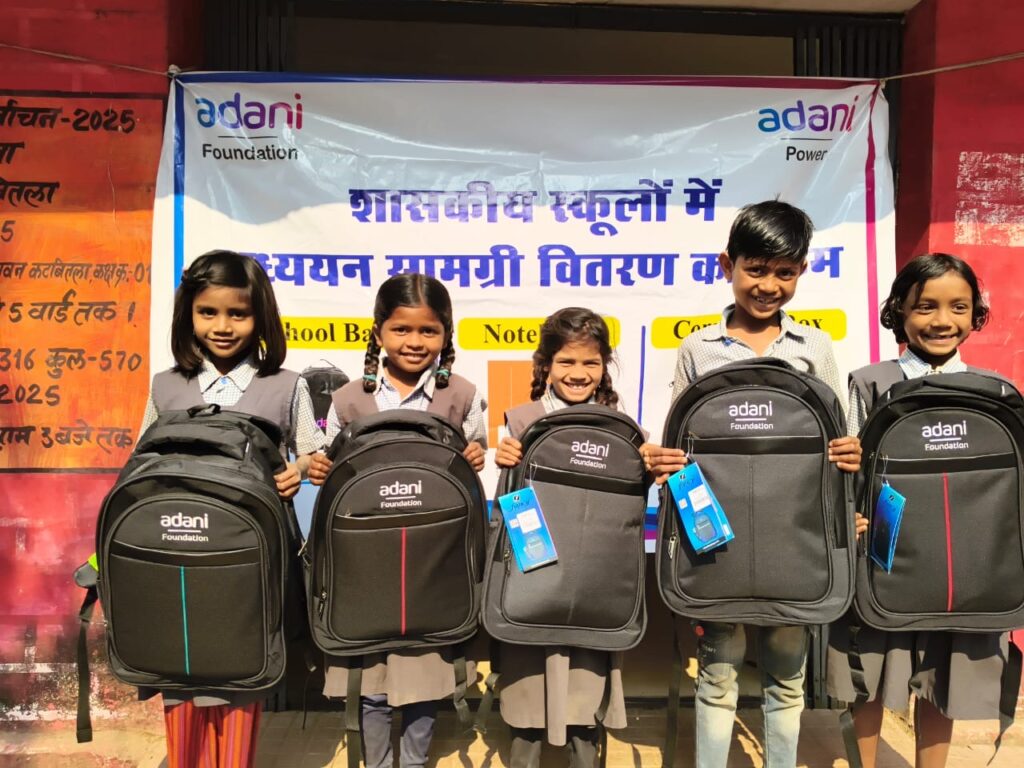
In villages such as Khoddal and Rishdihapara, boundary walls were constructed around schools, Anganwadi centres and Panchayat buildings to improve security and protect public infrastructure. The work has benefited over 150 students and nearly 4,000 villagers.
Additionally, 18 Anganwadi centres spread across 11 villages were strengthened through the provision of nutrition kitchens, improved seating arrangements and sports equipment for children. Efforts were also made to encourage sports and physical fitness among rural youth. A local sports ground was levelled to support training activities for youngsters preparing for Army recruitment and competitive sports events.
Sports kits were distributed among 15 schools in the project’s core operational zone, benefiting more than 1,500 students and helping promote a sports culture in rural areas. The Foundation has also announced the launch of computer training programmes at its Skill Development Centre from June this year.
To strengthen educational opportunities further, a special coaching programme for the Jawaharlal Nehru School entrance examination is being conducted in 15 schools across five Gram Panchayats and will continue till January 2027.
Healthcare Services Reach Remote Villages
In the healthcare sector, the Foundation undertook multiple initiatives aimed at improving access to medical services in remote rural areas. The Primary Health Centre at Pathadi was renovated and equipped with modern facilities, including air-conditioning systems, deep freezers and upgraded medical equipment. The upgraded centre is now serving nearly 31,000 residents from 18 nearby villages.
A Mobile Healthcare Unit was also deployed to provide medical services in remote areas where access to hospitals remains limited. Over the past few months, the unit has provided free medical consultation and medicines to 11,557 patients, including 4,777 men and 6,780 women.
In addition, six multi-specialty health camps were organised across 15 villages, benefiting 2,741 villagers through free medical treatment and consultations. Special eye-care camps were also conducted, during which eye examinations were carried out for 2,080 villagers and 1,000 school students.
As part of initiatives aimed at supporting persons with disabilities, 57 assistive devices were distributed through special welfare camps. These included tricycles, walkers, wheelchairs, hearing aids and crutches, enabling beneficiaries to improve mobility and participate more actively in daily life.
Focus on Infrastructure and Solar Energy
Several infrastructure projects were implemented to address long-standing civic issues such as waterlogging, poor lighting and lack of community facilities in villages.
A new drainage system constructed in Sargabundiya Gram Panchayat along the National Highway is expected to provide major relief from monsoon waterlogging problems near schools, the Sub-Health Centre and Panchayat Bhavan, benefiting more than 5,500 residents.
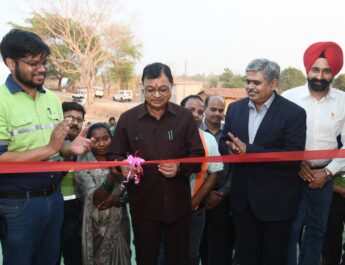
Construction work has also begun on “Adani Bhavan” in Dhandhani village. The multi-purpose community centre is expected to serve as a venue for social gatherings, skill development programmes and cultural activities for more than 3,500 villagers after completion.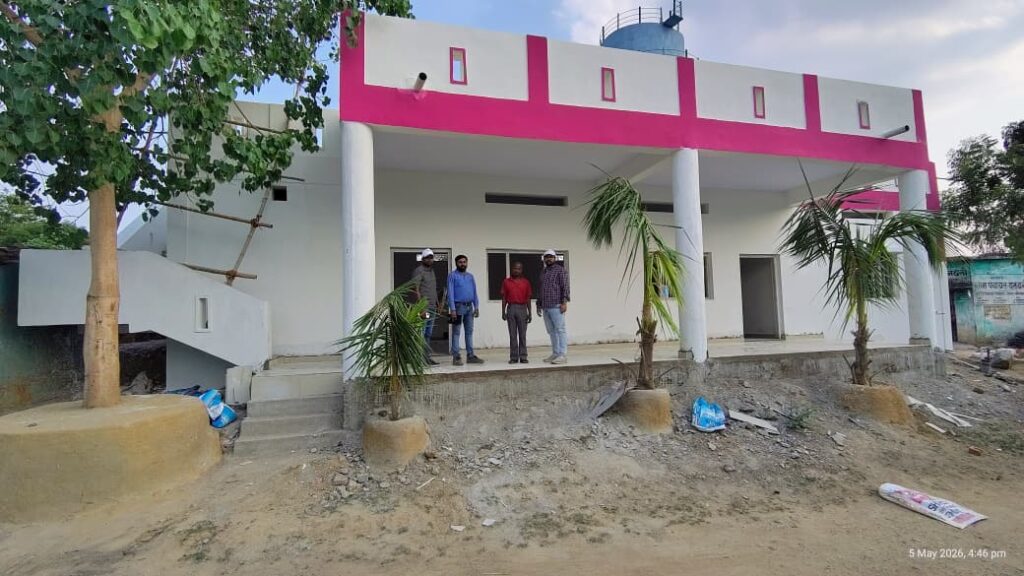
To promote renewable energy and improve public safety, 64 solar streetlights were installed at major intersections and marketplaces across 14 villages, benefiting nearly 25,821 residents. Two high-mast solar lighting systems were also installed at Devaramal and Kudurumai villages, improving night-time visibility and safety for around 6,481 villagers.
Local residents stated that the installation of solar lighting has enhanced women’s safety and also supported small traders and shopkeepers by extending business activities after sunset.
Community Participation and Environmental Initiatives
The Foundation also promoted community engagement activities through the organisation of a rural cricket tournament involving 24 teams and nearly 320 players from different villages.
Under environmental conservation efforts, proposals have been prepared for the beautification and deepening of village ponds, plantation drives in the Dhandhani region and construction of cement concrete roads in several Gram Panchayats.
Women and Child Welfare Measures
Special attention was also given to women and child development initiatives through the strengthening of Anganwadi centres. Facilities such as improved seating arrangements, educational play materials and nutrition kitchens have significantly improved the environment at these centres and increased children’s participation.
Officials associated with the initiative stated that these improvements have also made monitoring of health and nutrition services for pregnant women and adolescent girls more effective.
Local villagers and public representatives have appreciated the wide-ranging infrastructure development activities undertaken in the region, noting that the projects are improving daily life by enhancing access to education, healthcare, sanitation, safety and community services.
Operating with a “Community First” approach, the Adani Foundation continues to work towards sustainable and inclusive rural development in Korba district, with a focus on addressing local needs through long-term infrastructure and welfare initiatives.