Recommendations include raising the prosecution threshold to ₹5 crore, easing e-way bill inspections, automating refunds and simplifying registration
TFP Bureau, Raipur, October 9, 2026: The 57th GST Council meeting has recommended a series of procedural reforms aimed at reducing compliance burdens on traders and businesses, expediting refunds and making tax administration more transparent, Chhattisgarh Finance Minister O.P. Chaudhary said on Thursday.
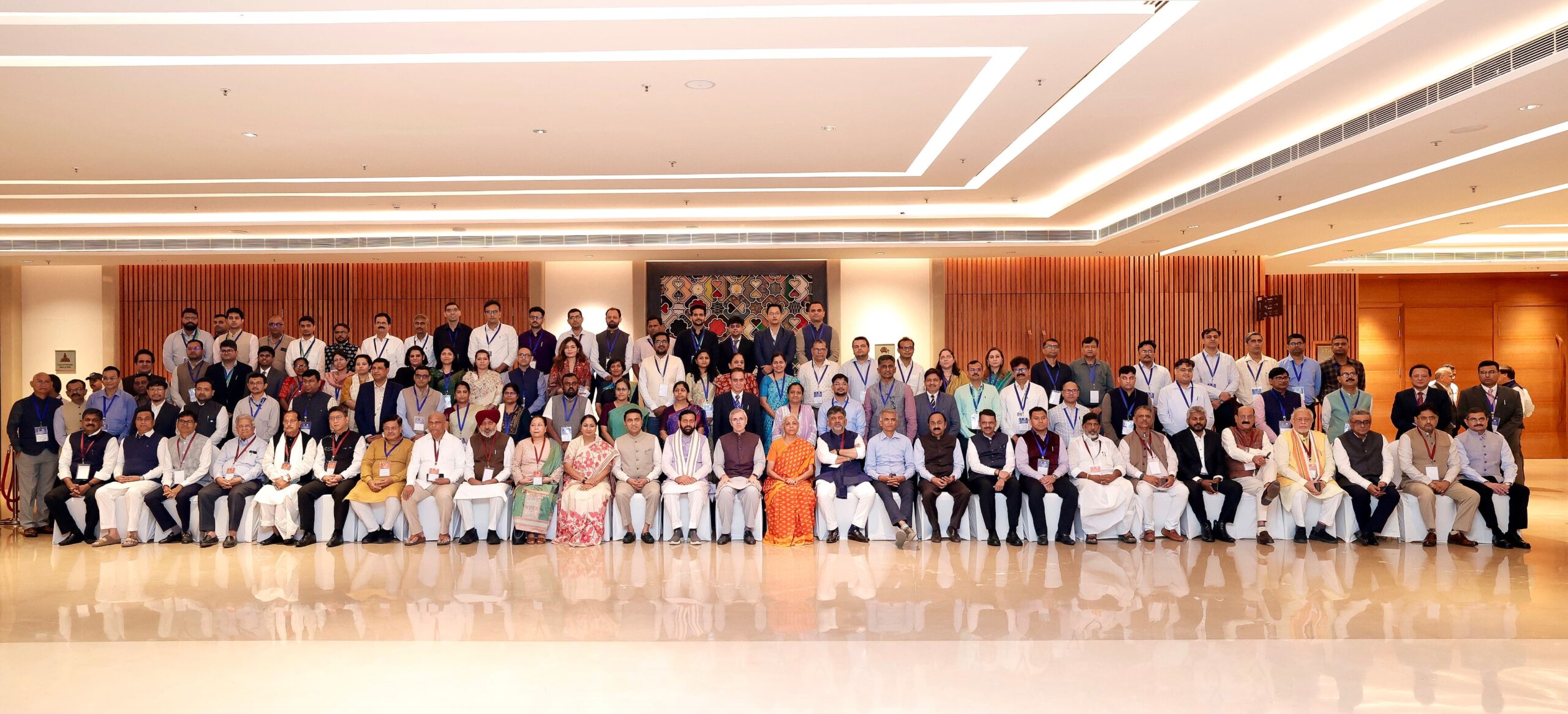
The meeting, chaired by Union Finance Minister Nirmala Sitharaman at Bharat Mandapam in New Delhi, focused on simplifying GST procedures following the tax rate changes introduced under GST 2.0.
Chaudhary said the proposed measures were intended to improve the ease of doing business, reduce unnecessary legal and administrative hurdles for honest taxpayers, and create a more predictable environment for trade and industry.
Among the key recommendations are removing the power of arrest under Section 69 of GST law, raising the threshold for prosecution from ₹1 crore to ₹5 crore and reducing the general penalty from ₹25,000 to a maximum of ₹10,000.
The minister said the changes would provide relief in cases involving minor procedural lapses, while action would continue against deliberate tax evasion and fraud in accordance with the law.
Tighter safeguards for e-way bill inspections
The Council has also recommended stricter safeguards for stopping goods vehicles for e-way bill inspections. According to Chaudhary, vehicles should not be stopped without specific information, and prior permission from an officer of the rank of Joint Commissioner or above would be required.
Inspections would be restricted to states where the consignor or consignee is located, according to the proposed measures. Vehicles merely passing through intermediate states would not be stopped for inspection on that ground alone.
The changes are expected to reduce transit delays and logistics costs while improving the movement of goods across state borders.
Faster refunds and easier registration
The proposed refund reforms include automatic approval of refunds of excess amounts deposited in the electronic cash ledger, without separate official approval. The Council has also recommended the immediate sanction of 90% of eligible refund claims relating to exports and the inverted duty structure.
The proposed timeframe for scrutiny of refund applications would be reduced from 15 days to 10 days. Chaudhary said quicker refunds would help businesses access working capital and support production, operations and investment, particularly among exporters and small and medium-sized enterprises.
The Council has also recommended simplifying GST registration-related procedures. Amendments to registration details, other than changes to the principal place of business, could be processed automatically through the portal. The cancellation process is also proposed to be simplified and automated.
Chaudhary described the recommendations as a further step towards reducing procedural complexity for businesses after GST 2.0. He said the reforms would strengthen taxpayer confidence and support the broader objective of building a developed India by 2047.