TFP Bureau, Raipur, December 31, 2025: In a significant move to position Chhattisgarh as a more competitive and investor-friendly destination, the State Cabinet chaired by Chief Minister Shri Vishnu Deo Sai has approved wide-ranging amendments to the Industrial Development Policy 2024–30. The reforms are aimed at strengthening industrial growth, expanding the service sector, attracting quality investments, and creating sustainable employment opportunities for the people of the state.
According to officials, the revised policy framework has been designed to make Chhattisgarh’s industrial incentives more transparent, flexible and comparable with leading industrial states across the country. The overarching objective of the Cabinet’s decision is to ensure long-term, quality employment for state domiciles while accelerating balanced economic development.
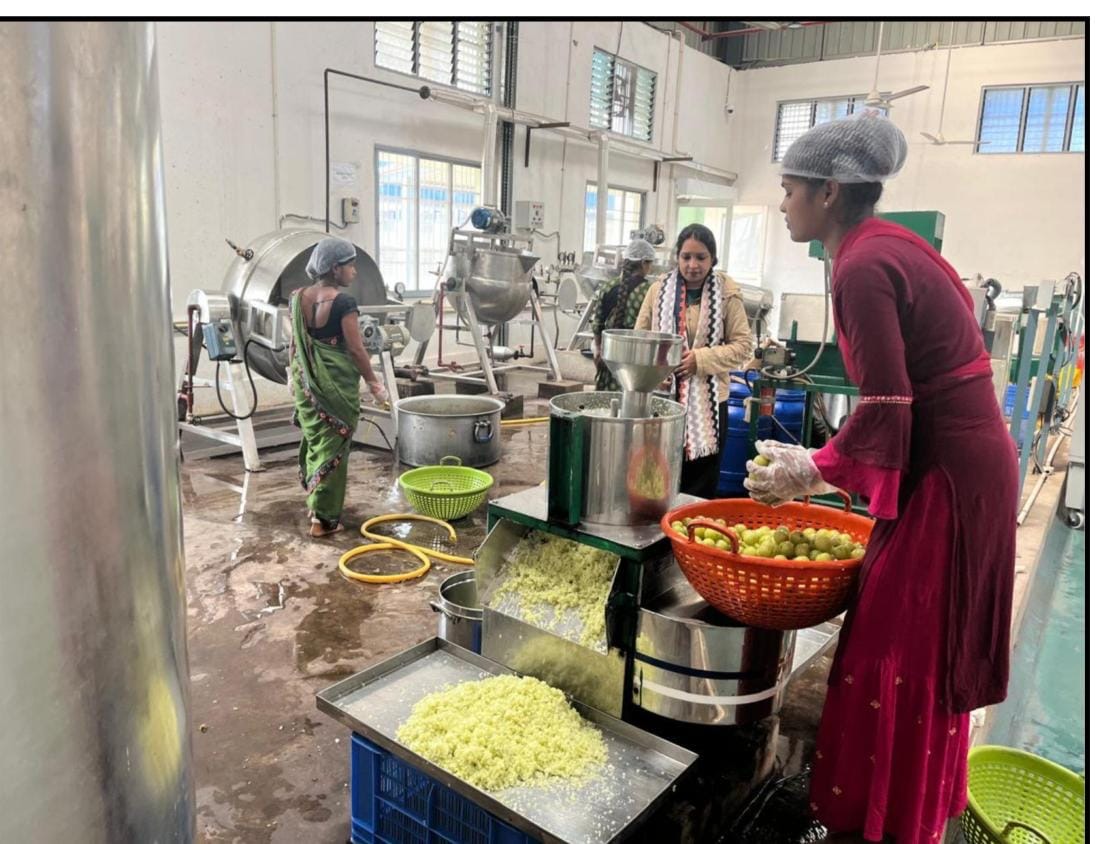
A key highlight of the amendments is the introduction of enhanced employment-linked incentives. New provisions related to Employees’ Provident Fund (EPF) reimbursement and wage-based employment incentives have been incorporated to encourage industries to hire local manpower. Under the revised policy, Micro, Small and Medium Enterprises (MSMEs) operating in identified special sectors—including pharmaceuticals, textiles, food processing, electronics, artificial intelligence and information technology—will be eligible for wage-linked incentives if they generate employment for more than 50 persons, particularly from within Chhattisgarh.
In a bid to broaden the scope of the service sector, the Cabinet has brought several emerging and technology-driven activities under the policy’s ambit. Computer-based testing infrastructure, e-commerce and app-based aggregators, as well as NABL-accredited diagnostic laboratories, have now been formally included. These entities will be eligible for incentives and benefits as per policy provisions, a move expected to attract new-age businesses and strengthen service-sector employment.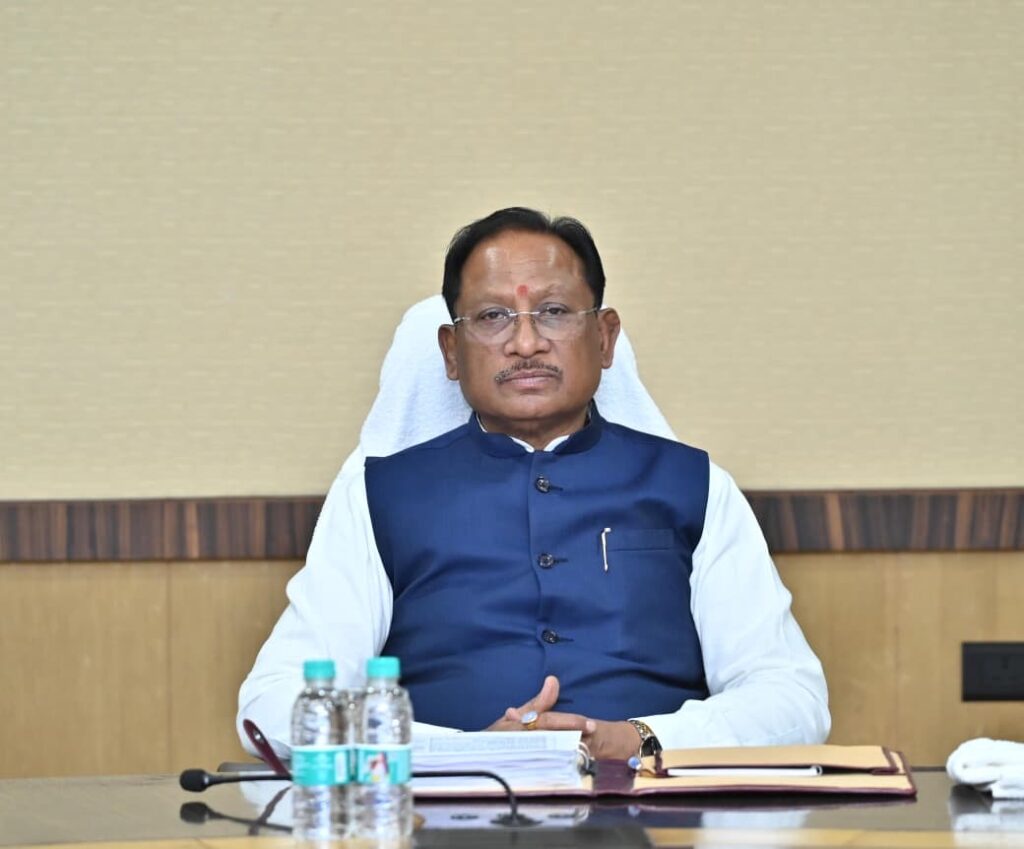
Tourism and healthcare have also received a major push through targeted incentive-based amendments. To promote high-end tourism infrastructure, the policy now provides specific incentives for the establishment of five-star hotels in major urban centres such as Raipur, Durg and Bilaspur, while three-star hotels in other districts will also be encouraged. At the same time, the policy seeks to boost healthcare infrastructure by promoting the establishment of large private multi-speciality hospitals across the state, improving access to advanced medical facilities and generating skilled employment.
Another notable decision relates to higher education. To enhance academic quality and provide world-class learning opportunities to students, the Cabinet has approved special incentives for educational institutions ranked among the top 100 in the National Institutional Ranking Framework (NIRF) if they set up campuses in Chhattisgarh. Officials said this measure is expected to attract premier national institutions, reduce outmigration of students, and create a robust ecosystem for research, innovation and skill development.
Government sources said the amendments also address procedural inconsistencies and implementation challenges identified during the initial phase of the policy, thereby improving ease of doing business and policy execution. The changes are expected to result in increased investment inflows, faster project implementation, and stronger confidence among domestic and external investors.
With these reforms, the state government aims to accelerate industrialisation while ensuring inclusive growth and sustainable employment generation. The Cabinet’s decision marks an important step towards establishing Chhattisgarh as an emerging hub for industry, services, tourism, healthcare and education, aligned with the state’s long-term development vision.